


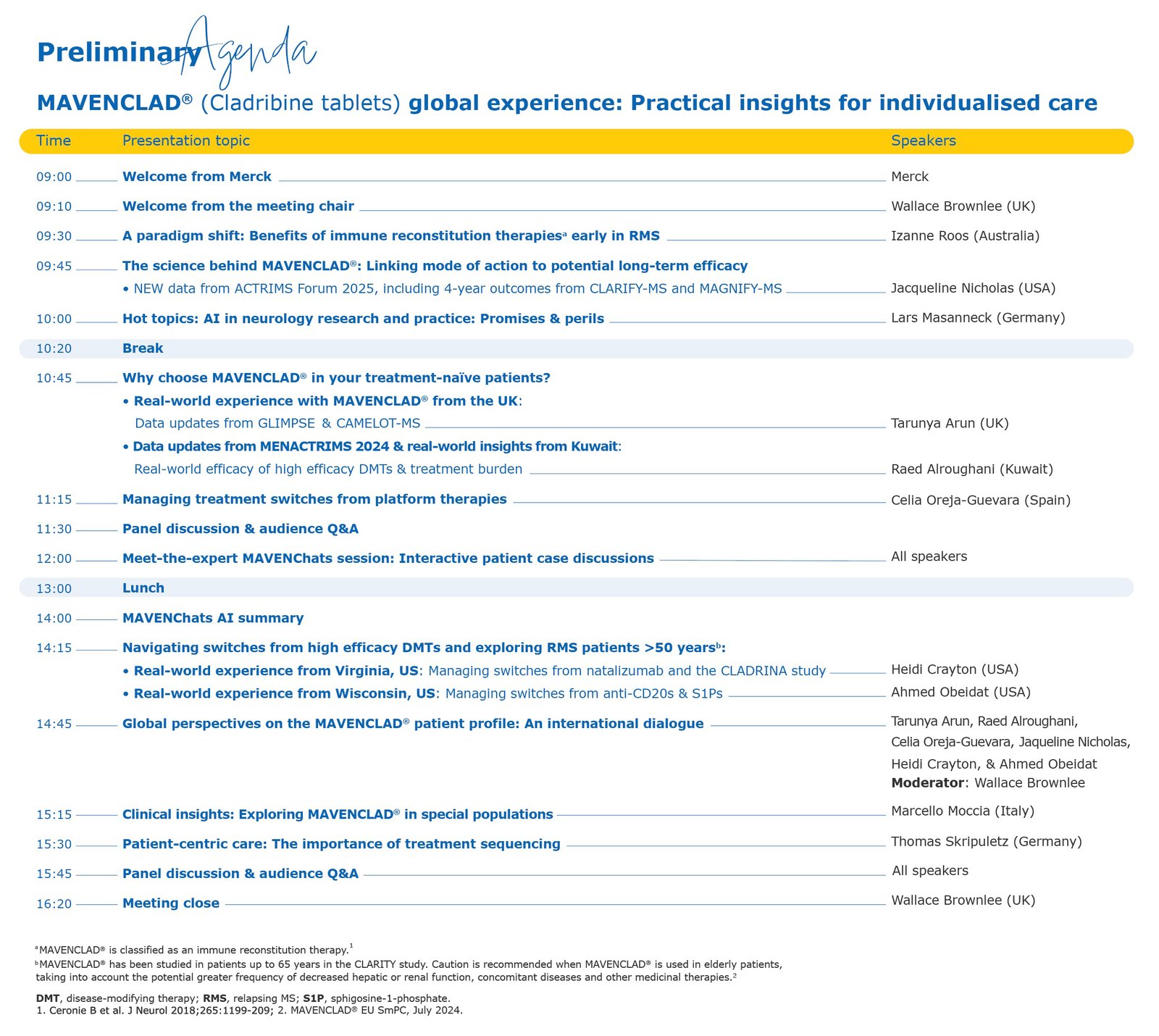
AGENDA
.png)
We are delighted to have you join us for this exclusive MSMF London Event. Our session is designed to
share valuable insights, and foster discussions. Feel free to ask questions, participate in polls, and make
the most of this interactive experience.
Thank you for your dedication to advancing healthcare. Let’s learn and grow together!




.svg)
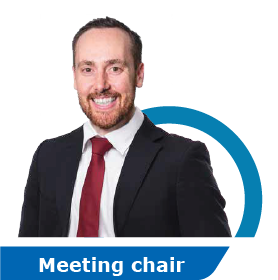
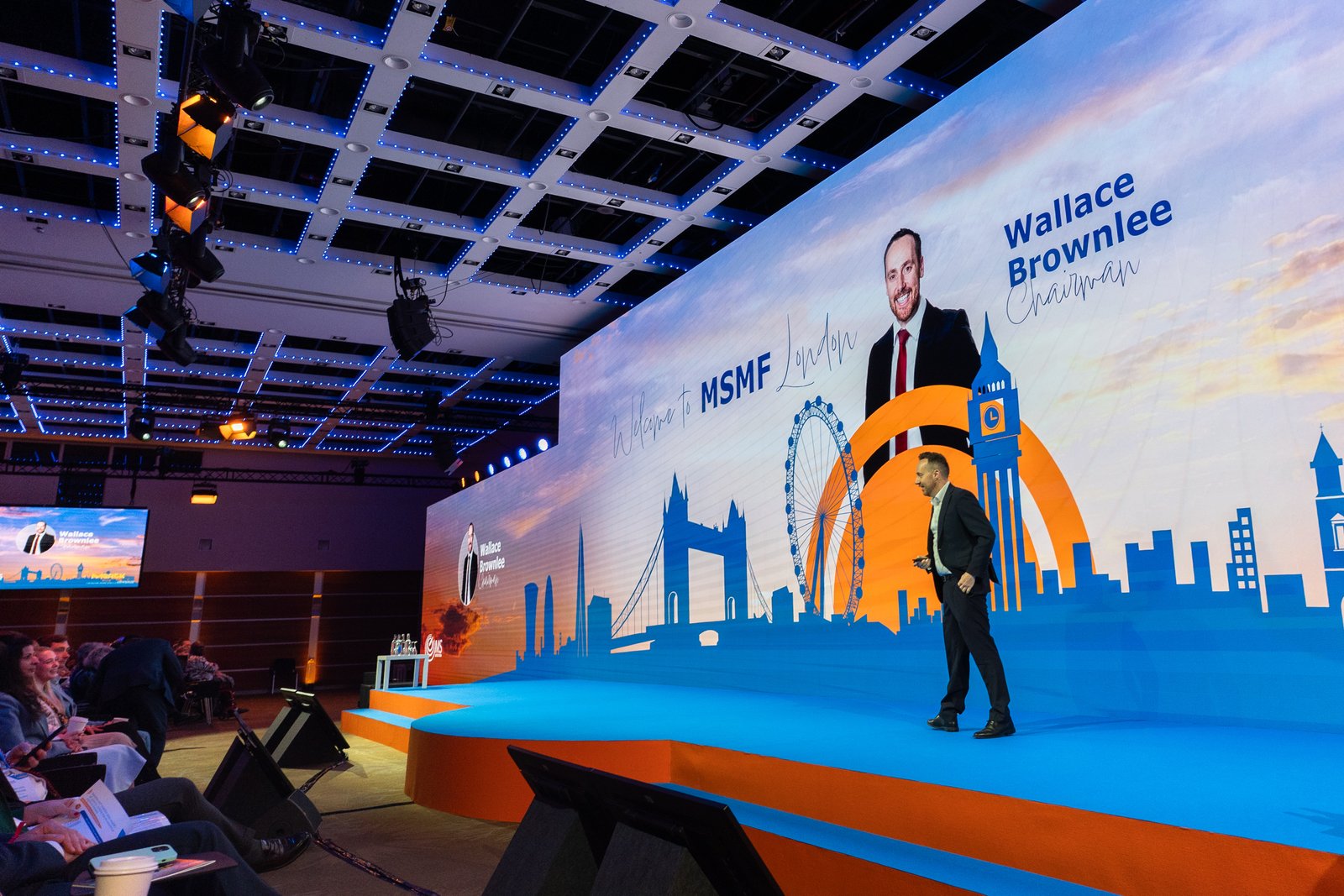
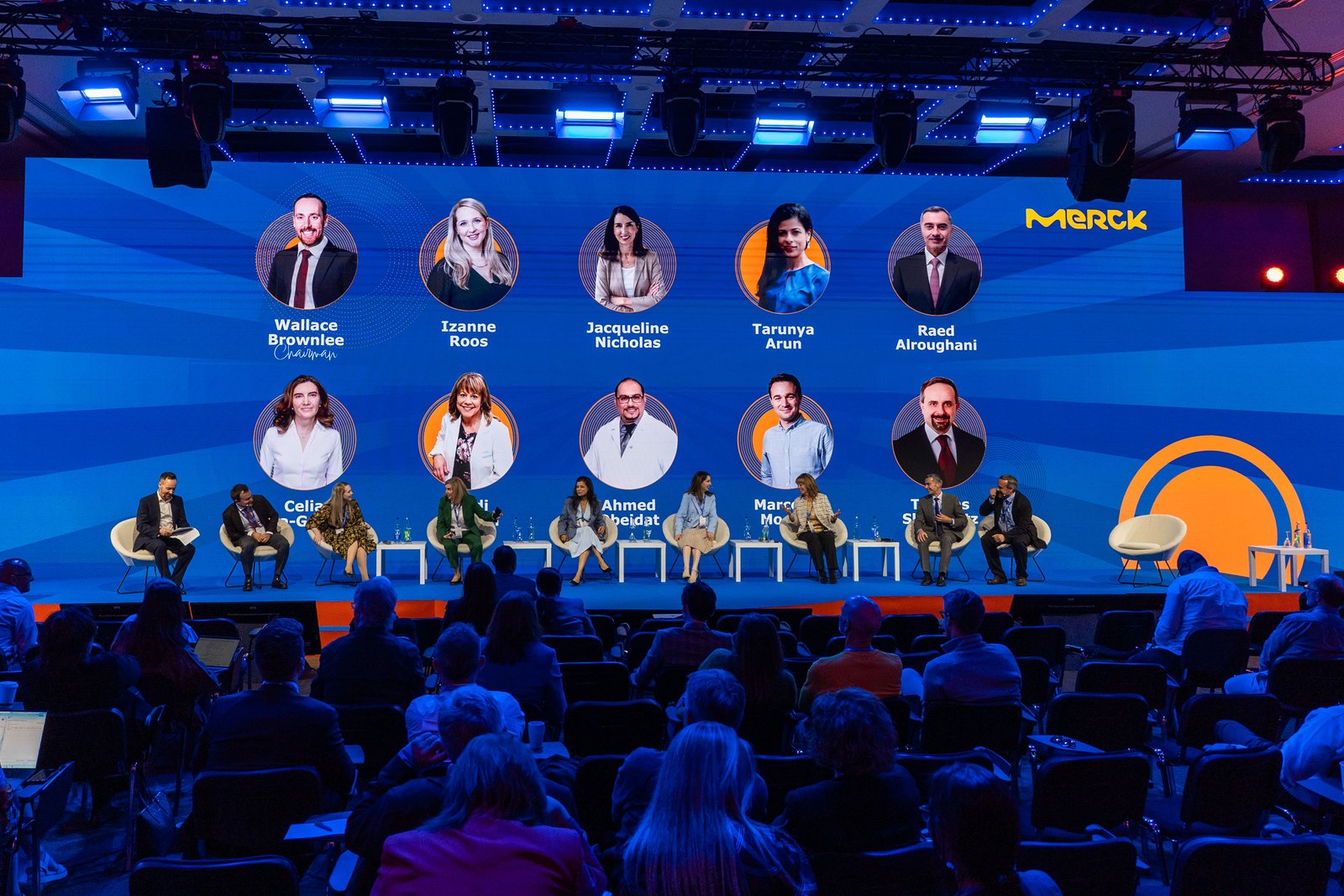
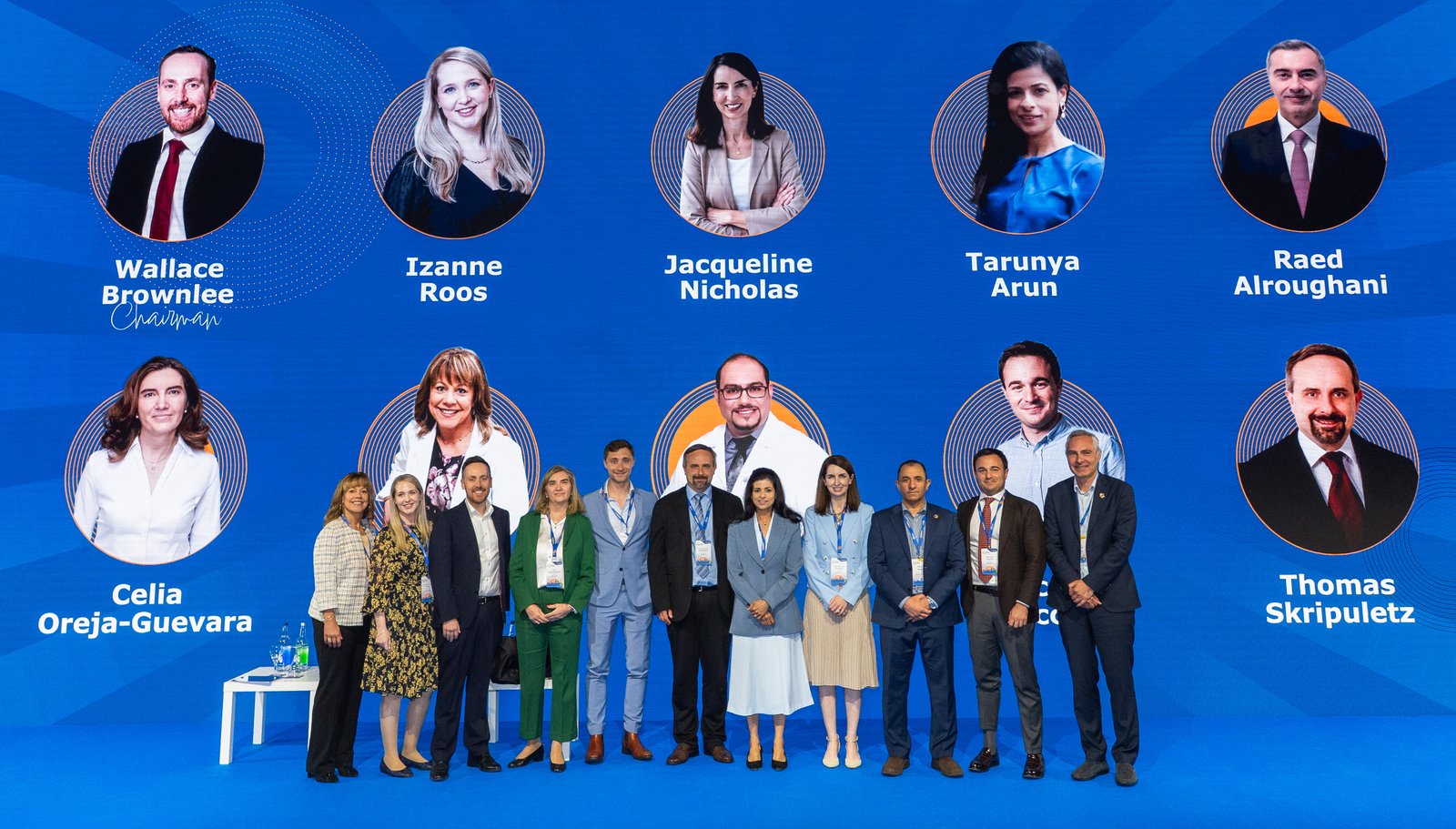
Dr. Brownlee is a consultant neurologist at the National Hospital for Neurology and Neurosurgery, Queen Square and honorary associate professor at UCL Institute of Neurology. He completed undergraduate and postgraduate training in Auckland, New Zealand before moving to London to undertake PhD studies. His thesis focused on the use of MRI to improve the diagnosis of MS, the identification of imaging predictors of long-term outcomes, and understanding mechanisms responsible for disability and disease progression in MS using advanced MRI. Dr. Brownlee joined the consultant staff at Queen Square in 2016, and was appointed clinical lead for MS in 2019, providing clinical leadership and strategic direction for the largest specialist MS service in the UK. He is principal investigator for a number of ongoing Phase 3 clinical trials in MS and NMOSD, and associate editor of the Multiple Sclerosis Journal.

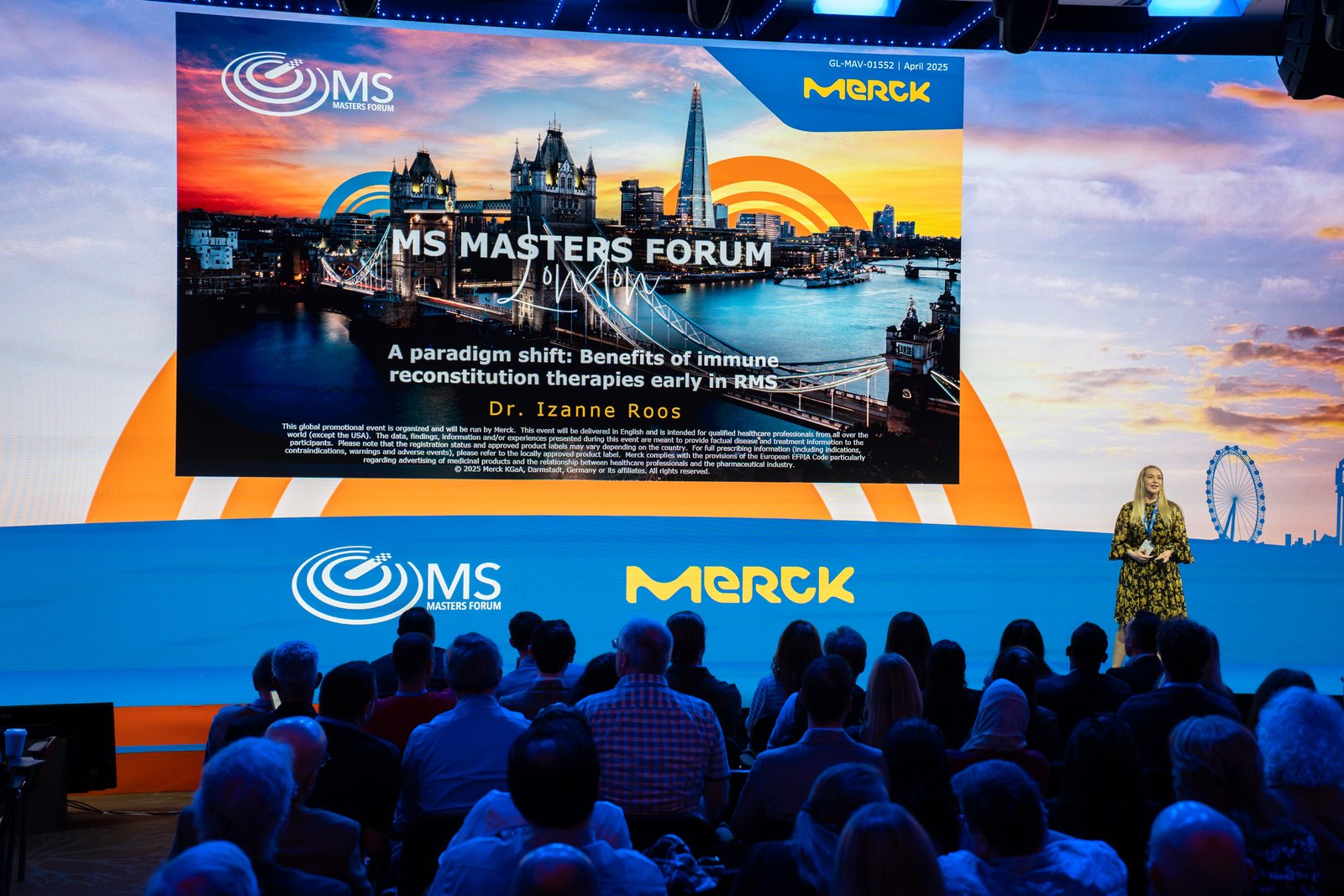
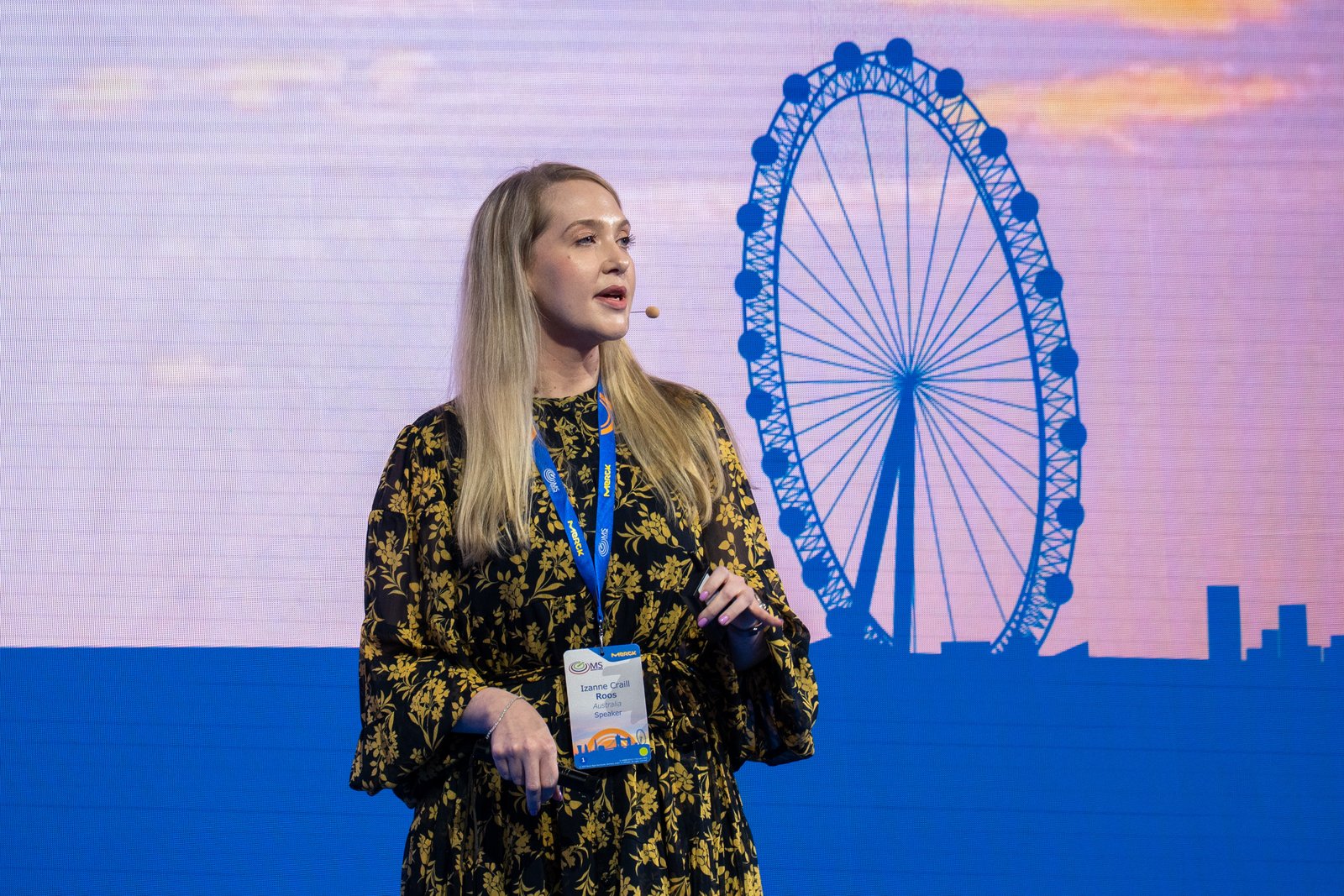
Dr. Roos is an academic neurologist specializing in MS and neuroimmunology. She serves as Deputy Director of both the Neuroimmunology Centre and the Department of Neurology at the Royal Melbourne Hospital. In addition, she is a senior postdoctoral research fellow at the Clinical Outcomes Research Unit, University of Melbourne. Dr. Roos’ research, supported by the NHMRC, MS Australia, MS International Federation, and the Trish MS Research Foundation, focuses on leveraging large, multi-registry cohorts to address clinically relevant questions that drive improvements in treatment and optimize patient outcomes. Her work has informed international MS treatment guidelines and contributed to updates in the WHO Essential Medicines List.
Dr. Nicholas is an adjunct clinical assistant professor of neurology at the University of Toledo College of Medicine and Ohio University College of Medicine. She received a bachelor’s degree in microbiology from Miami University in Oxford, Ohio, and her medical degree from the University of Toledo College of Medicine in Toledo, Ohio. She went on to train at the University of Pittsburgh Medical Center in Pittsburgh, PA, where she completed an internship in internal medicine, and a residency in neurology, and served as chief neurology resident. Dr. Nicholas then completed a fellowship in clinical neuroimmunology, MS, and spasticity at the Ohio State University Medical Center and was awarded with the prestigious 3-year Sylvia Lawry Physician Fellowship Grant from the National MS Society. During that time, she also completed her Master of Public Health degree at the Ohio State University College of Public Health. She served on faculty at the Ohio State University College of Medicine before moving to OhioHealth Riverside Methodist Hospital where she serves as system chief of neuroimmunology & MS, director of MS research and MS fellowship director at the OhioHealth Multiple Sclerosis Center in Columbus, OH. She has authored and co-authored numerous publications in peer-reviewed journals on MS and spasticity, and has served as principal investigator for numerous clinical trials in MS.
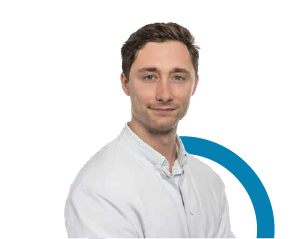
Dr. Masanneck is a clinician‐scientist specializing in neurology and digital health. He co-heads the Digital Translational Research in Neurology working group at University Hospital Düsseldorf and holds a master’s in digital health from the Hasso-Plattner Institute. With a doctorate in neuroimmunology and a robust background in AI-driven research and programming, he skillfully bridges clinical practice with digital innovation. As current first chairman of the German Society for Digital Medicine (Deutsche Gesellschaft für Digitale Medizin, DGDM), Dr. Masanneck is dedicated to fostering interdisciplinary collaboration and advancing the integration of artificial intelligence in medical care.

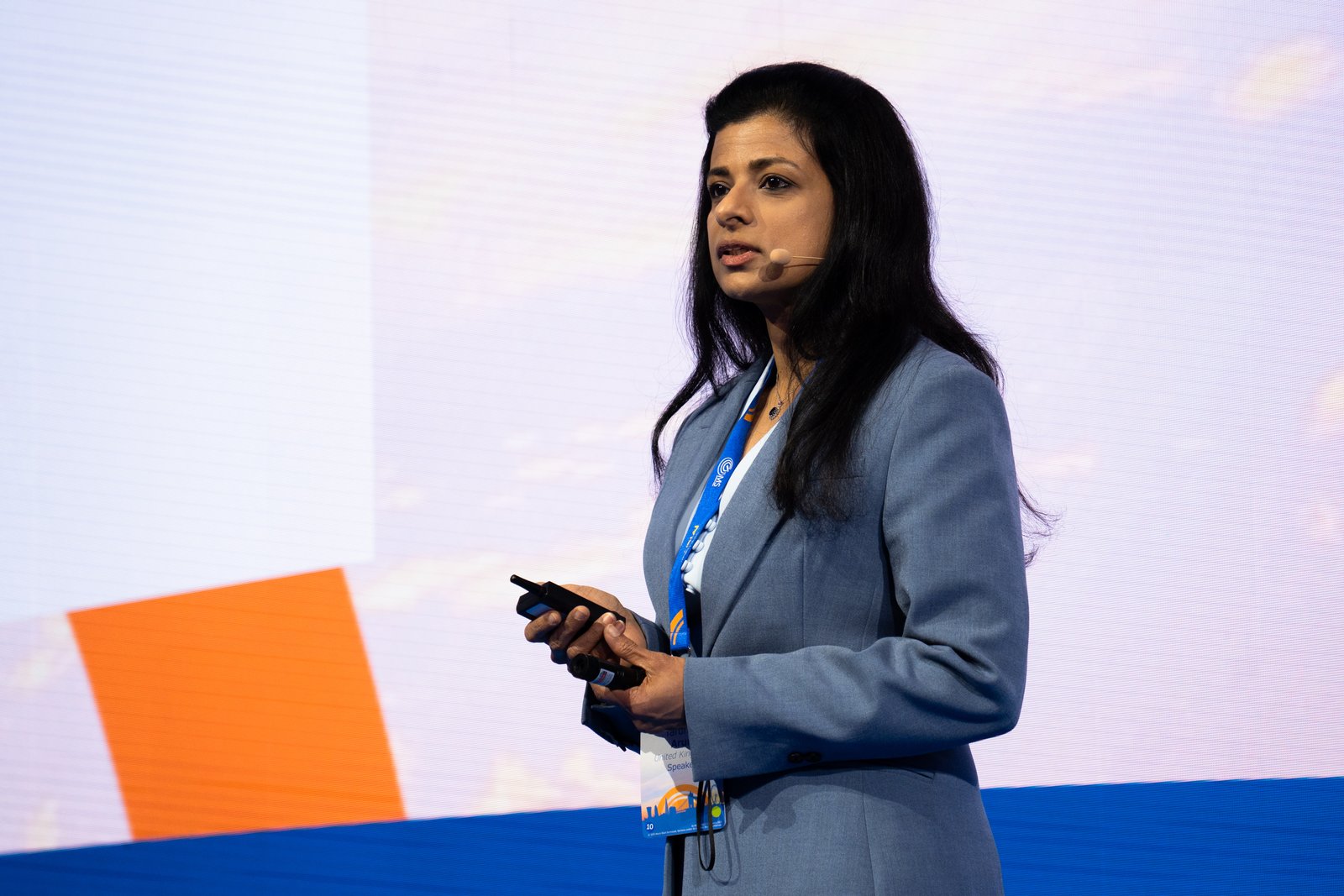
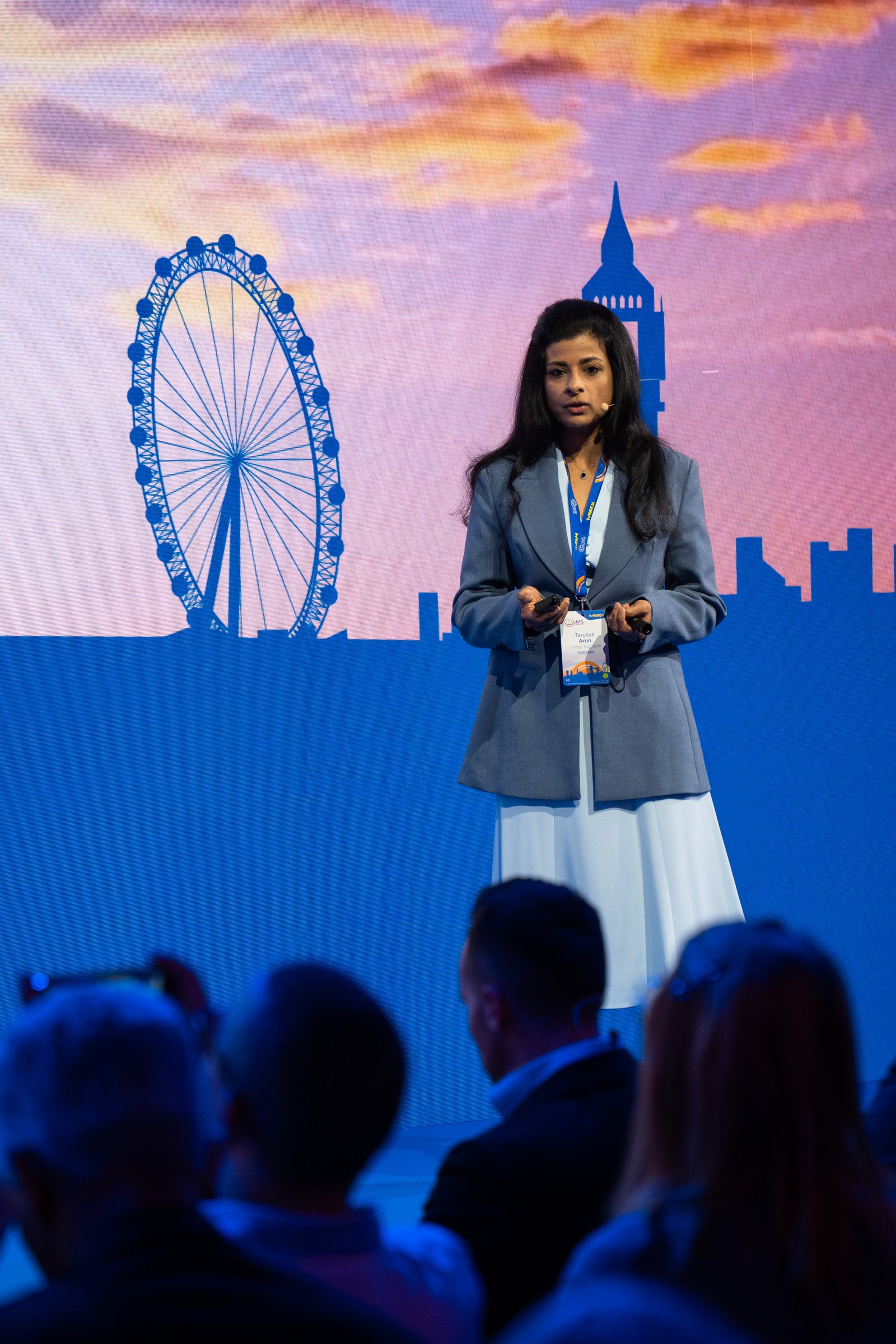
Prof. Arun is a consultant MS neurologist, clinical lead for MS and neuroinflammation, and the research lead for neurology at the University Hospitals of Coventry and Warwickshire. She completed her specialist training in neurology from the Oxford Deanery and obtained subspecialist training in neuroinflammation from Oxford and London. In 2010 she was awarded a doctorate for her work that used novel MRI techniques to study brain function in patients with MS at the FMRIB centre, University of Oxford. Prof. Arun has a special interest in neuroinflammatory disease, and her research interests include MS treatments and imaging, and neurosarcoidosis. She is the co-chair of the Neuroinflammatory Special Interest Group of the Association of British Neurologists, deputy chair of the Association of British Neurologists MS and Neuroinflammation advisory group, chair of the NHSE RDCN for neurosarcoidosis and member of the Neurology CRG, NHS England. She is a NIHR SCPRA fellow, the principal investigator on a number of multicenter trials, and a clinical advisor to the Warwick Evidence Group. She has acted as a clinical advisor for a number of recent NICE MS technology appraisals and has a number of publications in peer-reviewed journals.
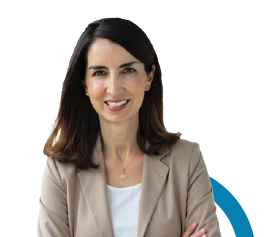
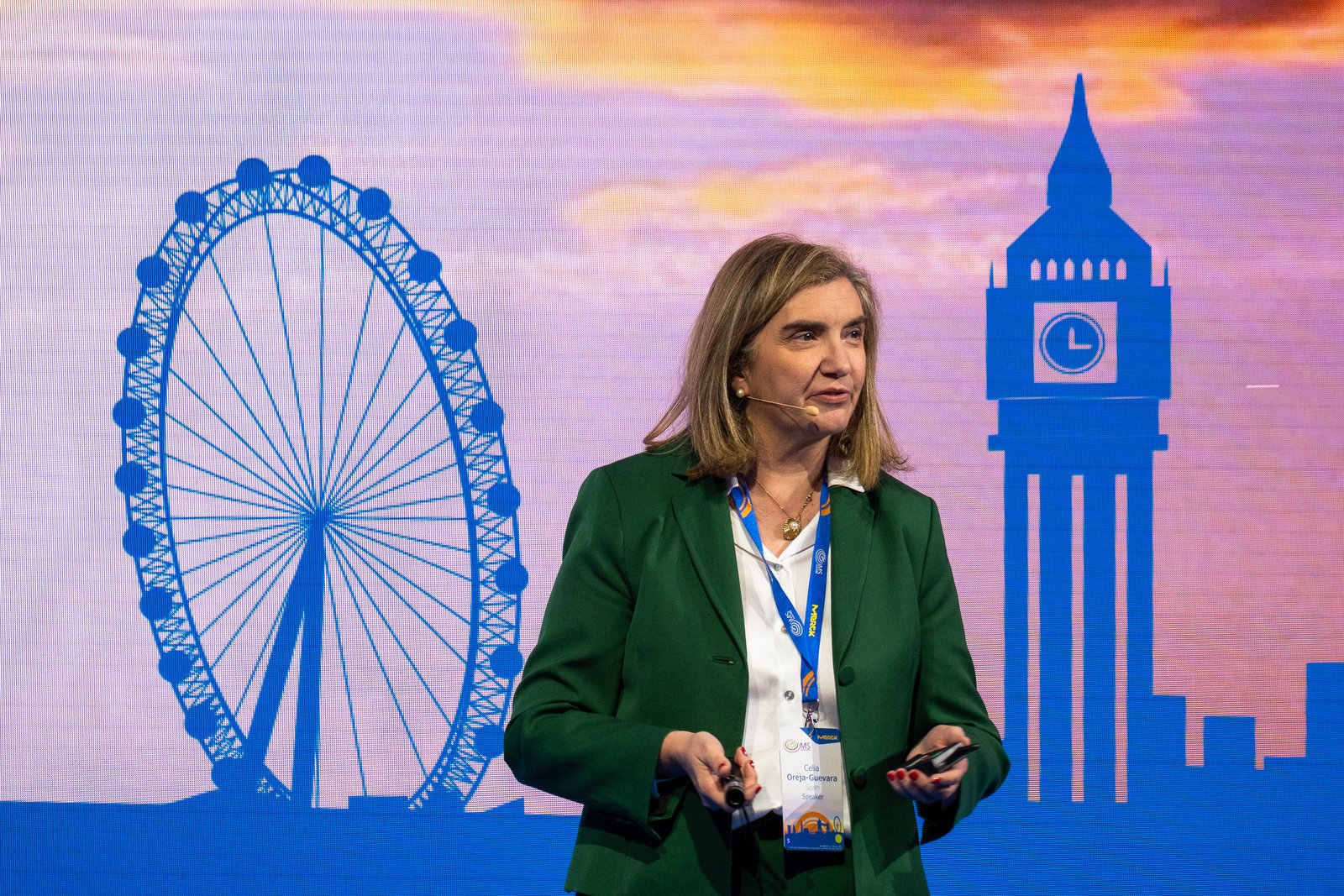
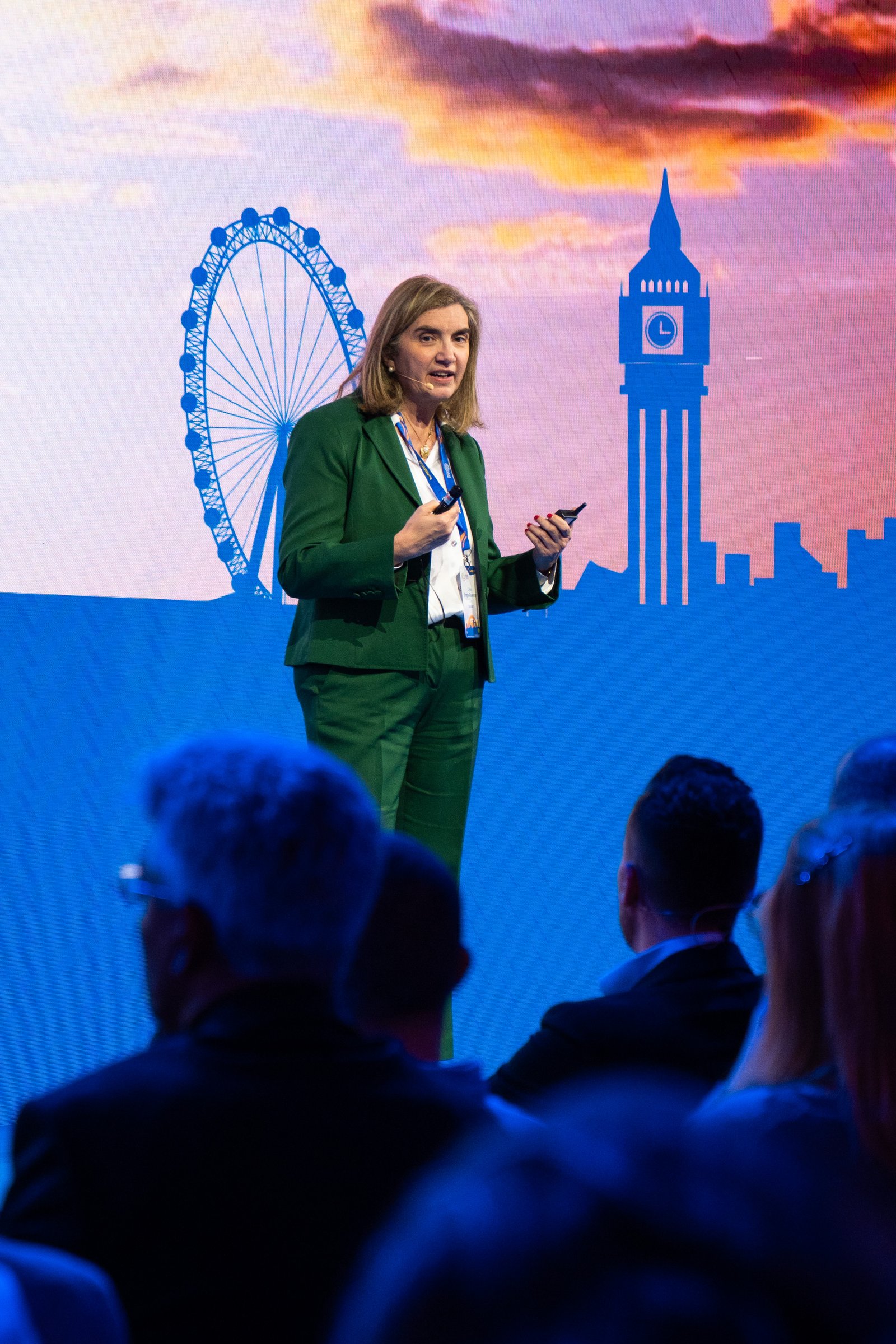
Prof. Oreja-Guevara is currently the vice chair of neurology at University Hospital San Carlos and professor of neurology at Complutense University, Madrid. She obtained her medical degree from the University Complutense of Madrid and completed her PhD in neuroimmunology at the Max-Planck-Institute for Neurobiology, Munich, Germany. She then completed a residency in the Department of Neurology at the University of Bochum, Germany, followed by a 1-year fellowship in neuroimaging at the University Hospital San Raffaele. Prof. Oreja-Guevara’s main areas of research interest include clinical and neuroimaging correlations in MS, family planning, the use of optical coherence tomography, symptomatic therapy, neuromyelitis optica (NMO), and the evaluation of new drugs for the treatment of MS and NMO. Prof. Oreja-Guevara is actively involved in the evaluation of new therapies for the treatment of MS and has served as a principal investigator in several clinical trials and as a member of various international steering committees. She has held leadership roles in several neurology-focused organizations and academic societies. She is also co-chair of the Multiple Sclerosis Panel of the European Academy of Neurology (EAN) and served as an expert for the European Medicines Agency (EMA) and the Spanish Agency of Medicines and Medicinal Products.
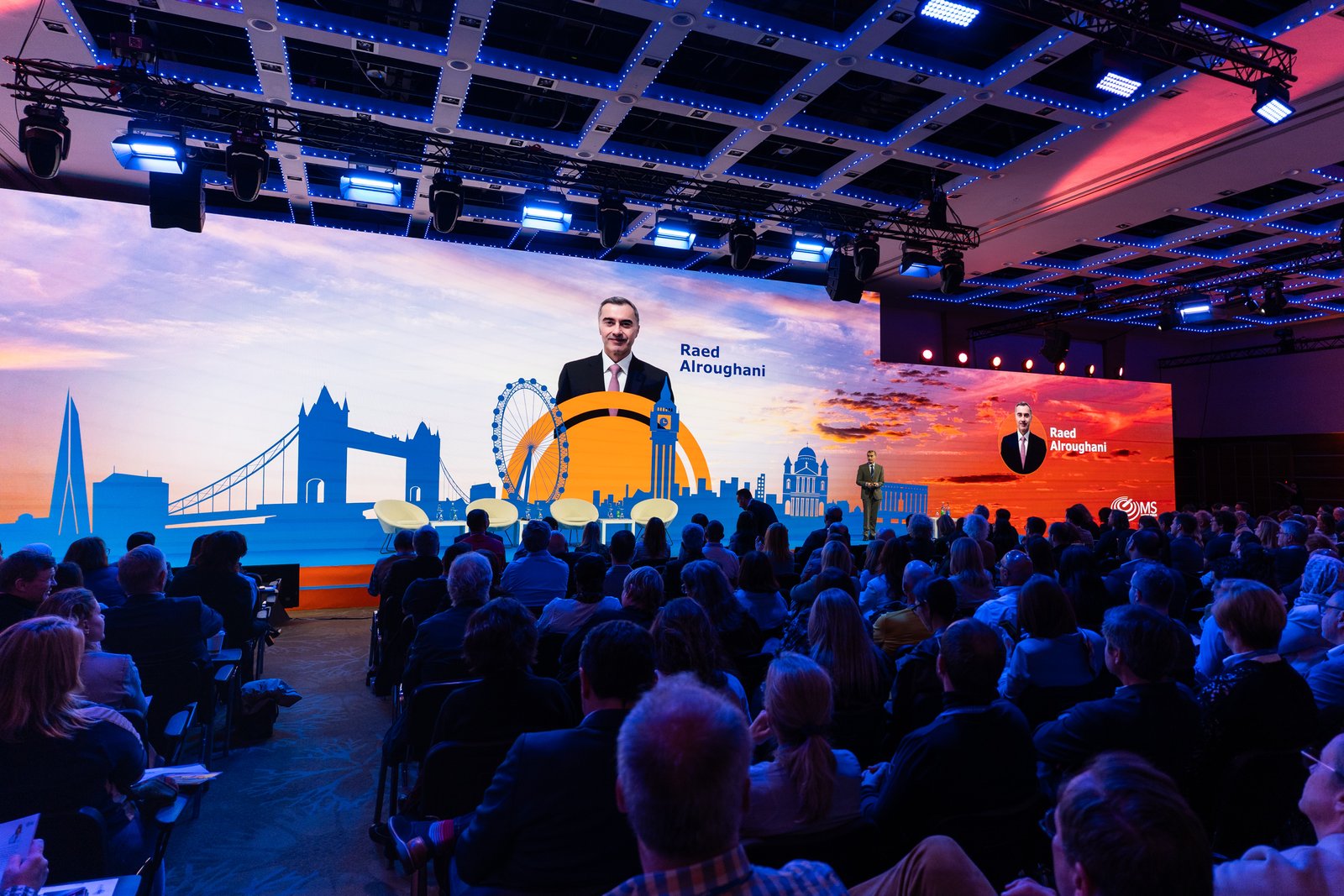
Dr. Alroughani is a consultant neurologist and the director of the MS clinic at Amiri and Ibn Sina hospitals. He completed his neurology residency at the University of British Columbia and subsequently obtained the neurology certification from the Royal College of Physicians & Surgeons (Canada). He completed a fellowship in MS at the University of British Columbia. He is actively involved in research, and he has authored and co-authored more than 230 publications. Dr. Alroughani was awarded the national prize for scientific production in the field of medical science in 2017, the best researcher award by Amiri Hospital in 2018, and the Shoman Foundation award in the medical field for MS in 2024. He is a founding member and the secretary general of MENACTRIMS. He sits on the executive boards of various scientific associations, steering committees and advisory boards, mainly in the field of MS.

Dr. Crayton is a board-certified neurologist, with a specialty in MS. She grew up in Los Angeles and studied medicine at the Medical College of Pennsylvania. She then pursued a residency in adult neurology at Georgetown University Hospital. She subsequently completed a fellowship in MS at Georgetown, under the mentorship of Dr. John Richert, and went on to establish a full-time MS center at Georgetown. She left Georgetown and established the MS Center of Greater Washington in 2007, the only full-time non-academic MS center in the mid-Atlantic region. She focuses on patient care in addition to involvement in clinical research. She is a principal investigator in clinical trials for MS therapeutics and has been involved with developing a treatment algorithm for symptom management in MS. She lectures to patients as well as physicians, nationwide and globally, as part of her mission to educate and improve the lives of those living with MS.
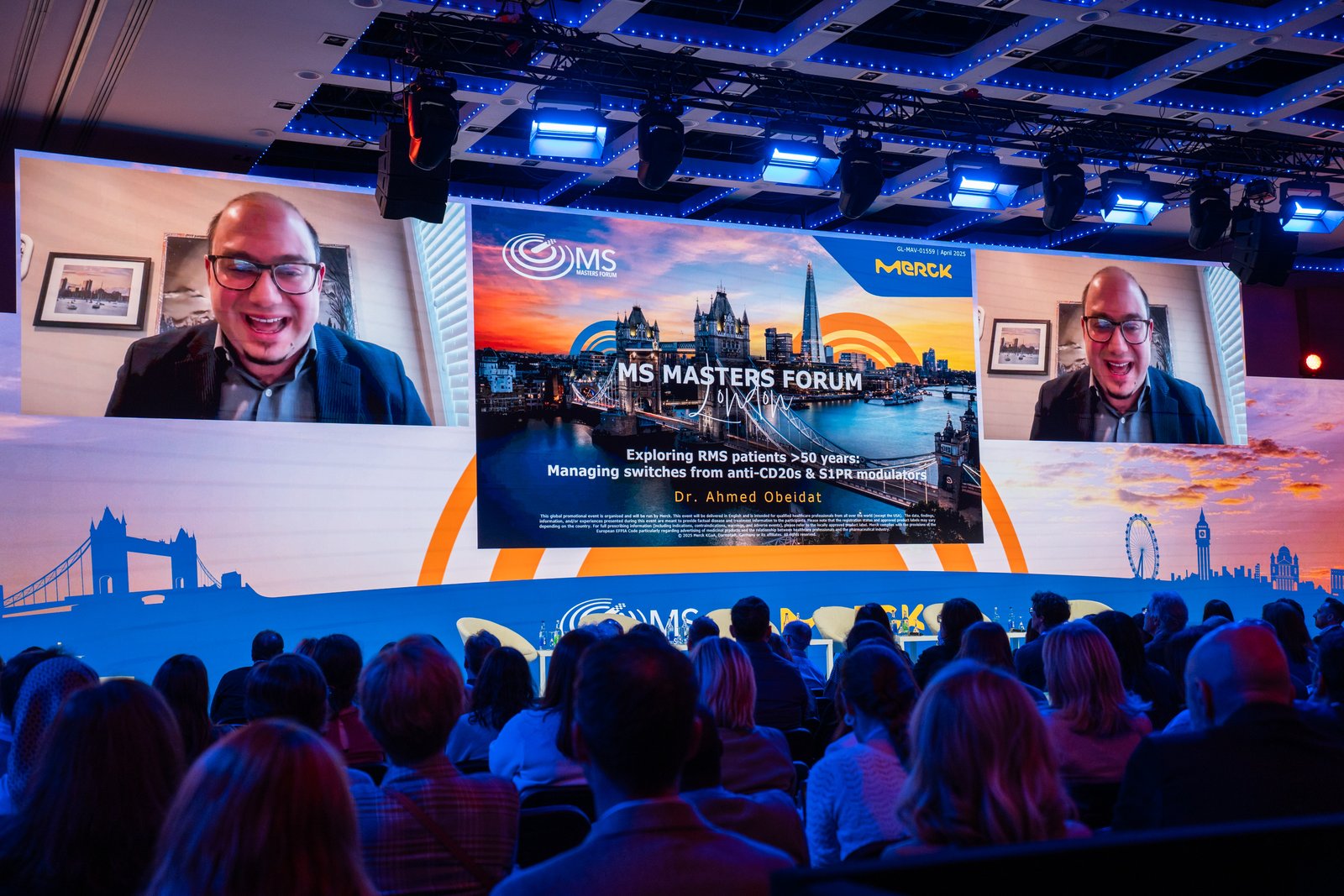
Dr. Obeidat works with adults in diagnosing, treating, and managing MS and immune disorders of the central nervous system based in Milwaukee, WI. He received his medical degree with honours from the Jordan University of Science and Technology in 2008. He then joined the graduate programme in neuroscience and physiology at Wright State University in Dayton Ohio, where he received a PhD in neuroscience and physiology in 2013. He completed his neurology residency at the University of Cincinnati in 2017 as well as fellowship training in demyelinating diseases and neuroimmunology, also from the University of Cincinnati in 2018. Dr. Obeidat is an advocate for medical humanities and believes in the power of patient stories in shaping a successful, and a long-lasting patient-doctor relationship. In his free time, he enjoys reading and writing personal reflections and narrative medicine in its various forms.
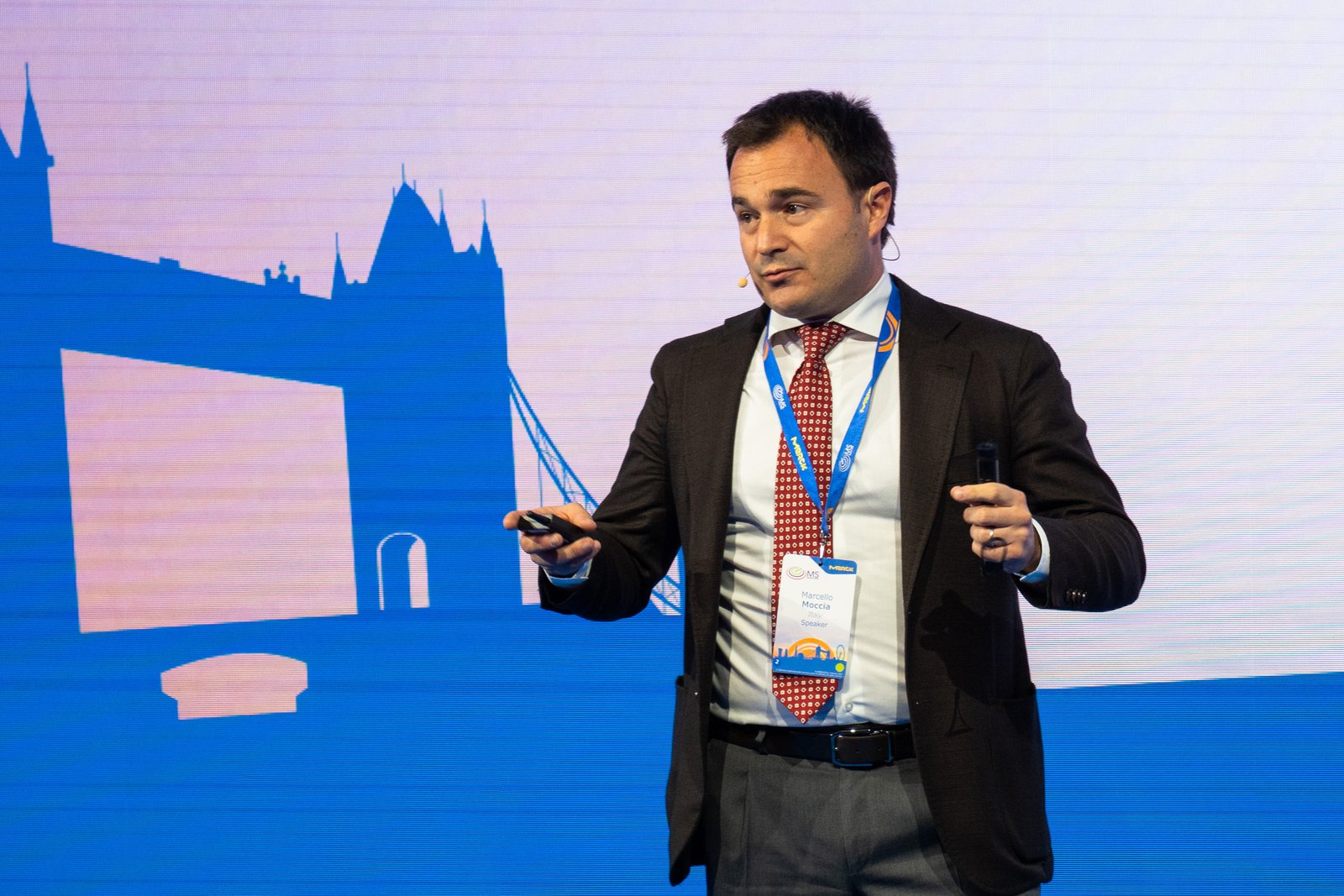
Dr. Moccia is an assistant professor at the University of Naples, Italy, and a consultant neurologist at the Policlinico University Hospital of Naples, Italy. Dr. Moccia received his medical degree from the University of Naples in 2010, where he also completed his training in neurology in 2016 and his PhD in neuroscience in 2019. He further trained at the National Hospital for Neurology and Neurosurgery (London, UK), and was awarded an MD(Res) degree at UCL Queen Square Institute of Neurology (London, UK) in 2020. His clinical and research interests are in the field of MS, including immunology, neuroimaging, epidemiology, and translational applications. Dr. Moccia has authored over 200 peer-reviewed and indexed articles. He is an Editorial Board Member of the Neurology and Multiple Sclerosis Journal.
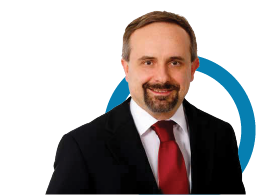
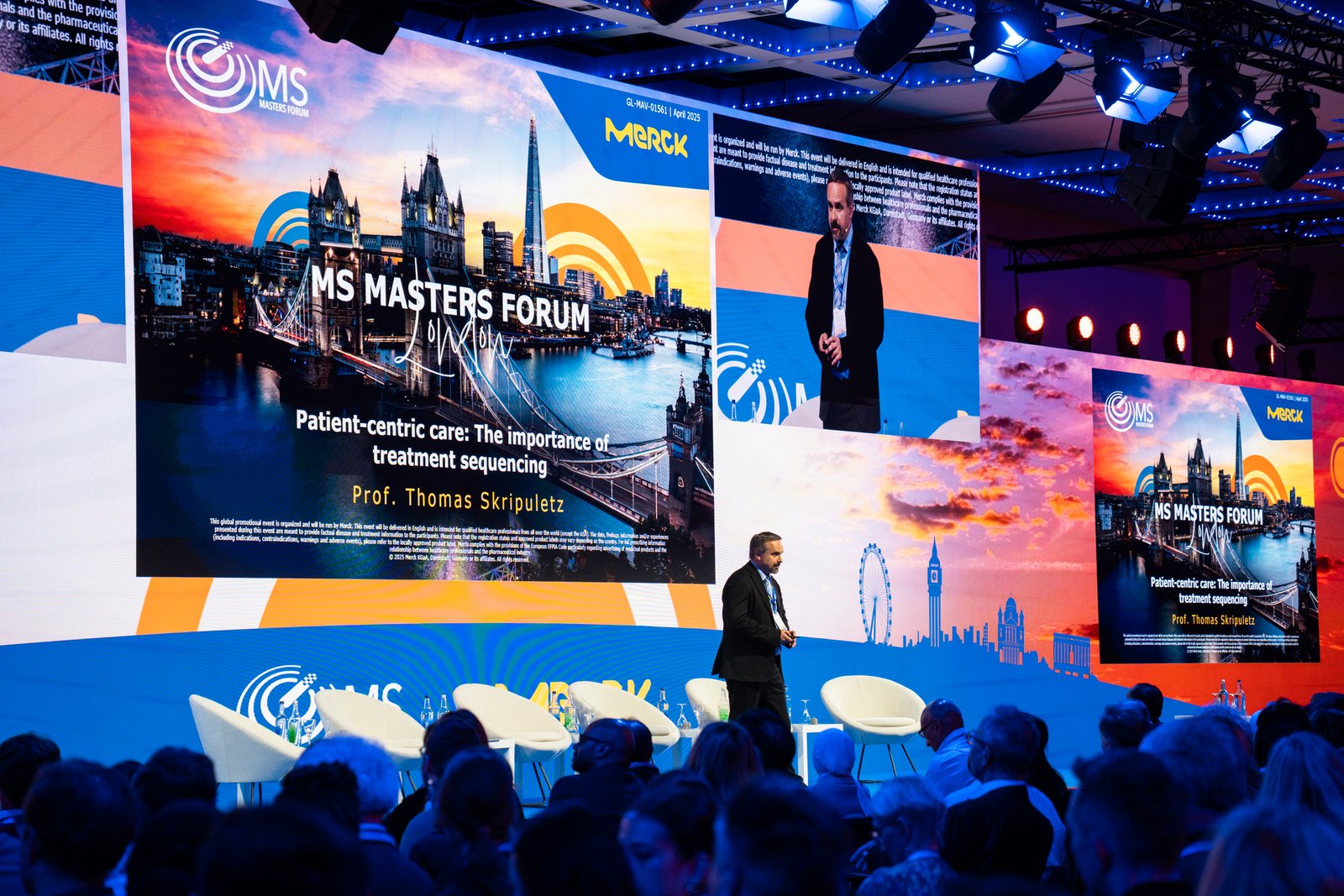
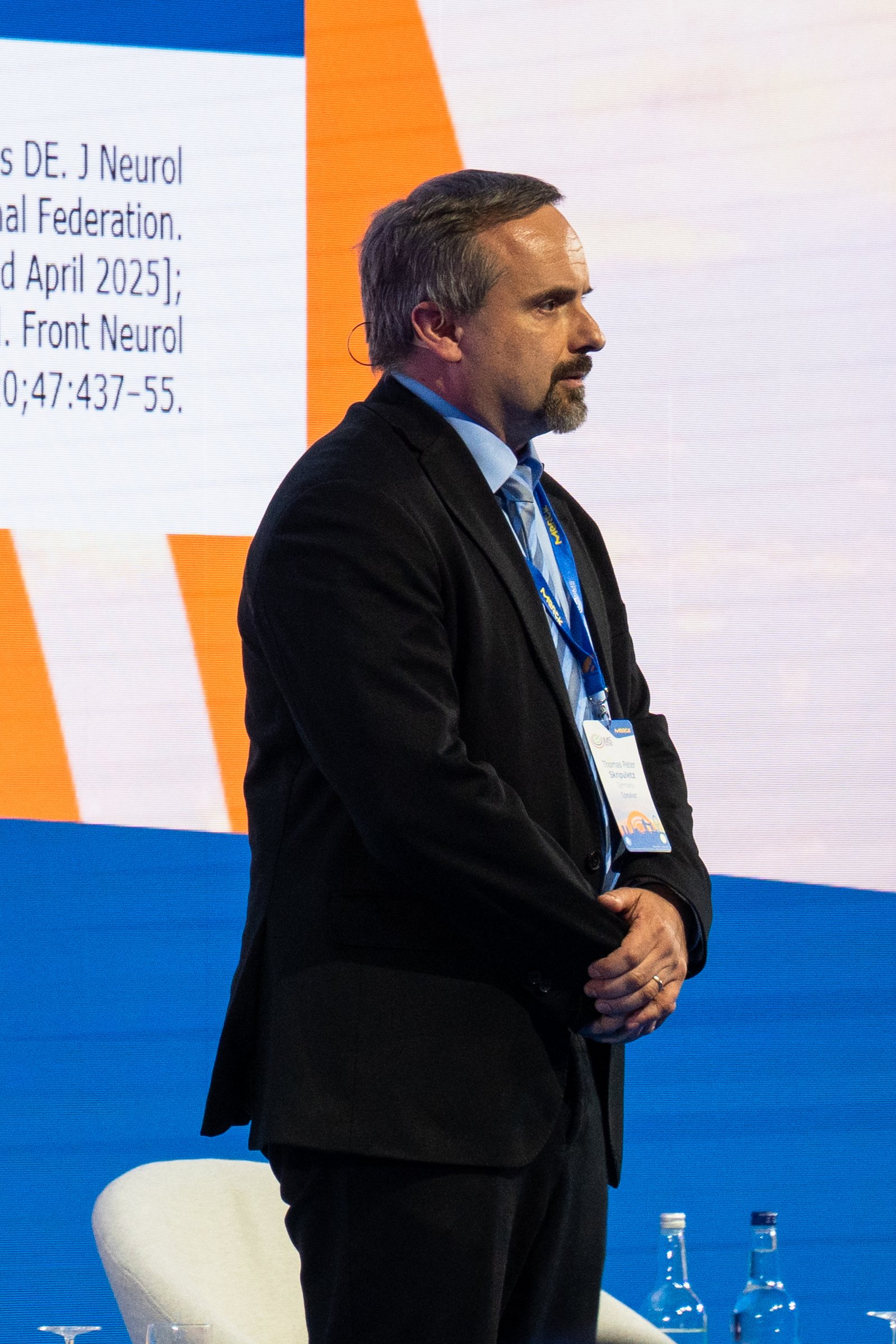
Prof. Skripuletz is a senior physician in the Department of Neurology at Hannover Medical School, the head of the Cerebrospinal Fluid Laboratory, and the leader of the outpatient specialist care (ASV) team for MS. He is a specialist in neurology with a professional qualification and training license for CSF diagnostics and clinical neurochemistry. His work focuses primarily on CSF biomarkers with an emphasis on neuroimmunology, including research on MS, immune-mediated polyneuropathies, progressive multifocal leukoencephalopathy, neuro-Sjögren, and immune-based therapies. Prof. Skripuletz has authored over 200 publications in peer-reviewed journals.
This global promotional event is organized and will be run by Merck. This event will be delivered in English and is intended for qualified healthcare professionals from all over the world (except the USA). The data, findings, information and/or experiences presented during this event are meant to provide factual disease and treatment information to the participants. Please note that the registration status and approved product labels may vary depending on the country. For full prescribing information (including indications, contraindications, warnings and adverse events), please refer to the locally approved product label. Merck complies with the provisions of the European EFPIA Code particularly regarding advertising of medicinal products and the relationship between healthcare professionals and the pharmaceutical industry.
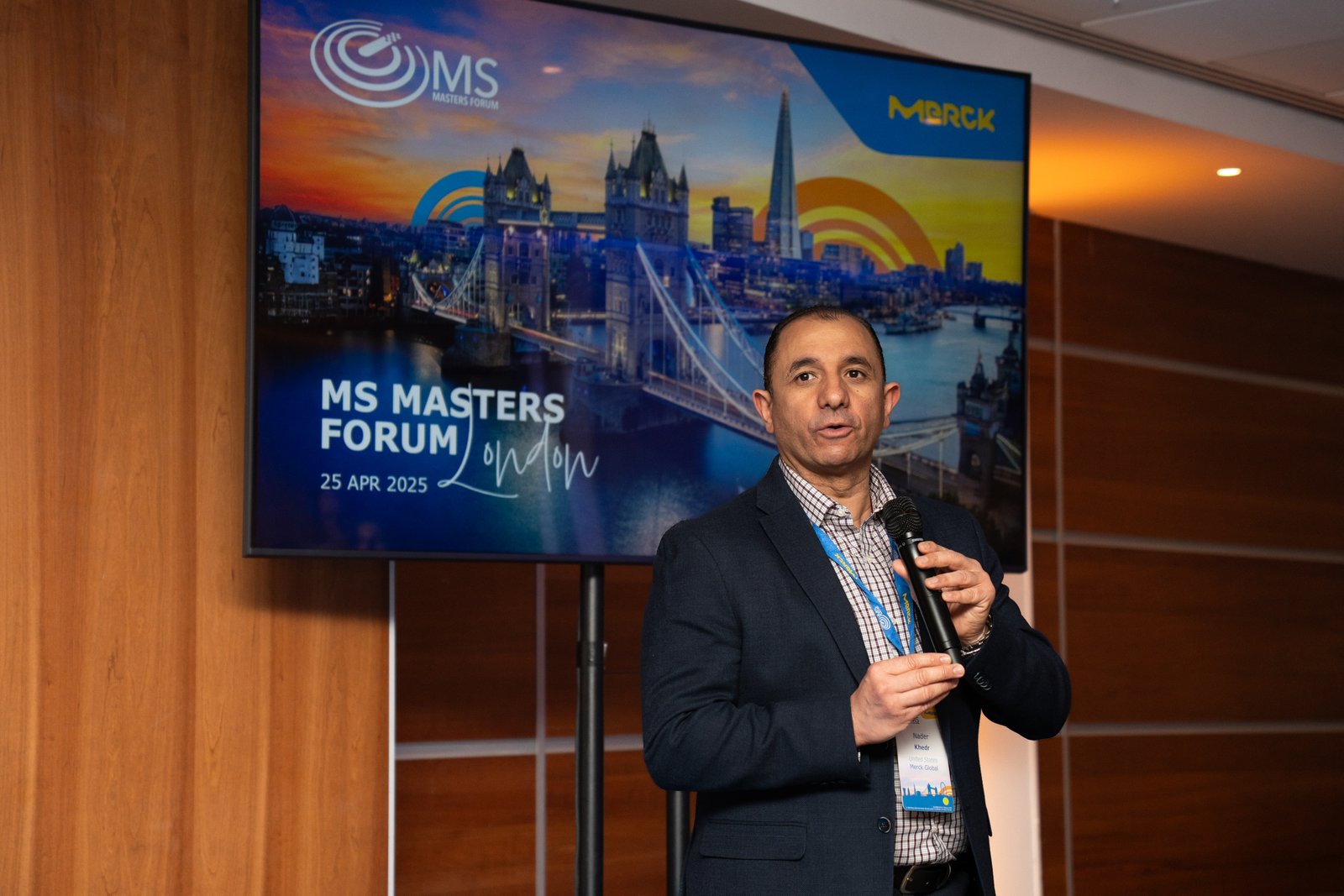
The MSMF meeting took place on April 25th 2025. If you require any specific information about the meeting please contact MSMF@meridiano.it or your local Merck representative.
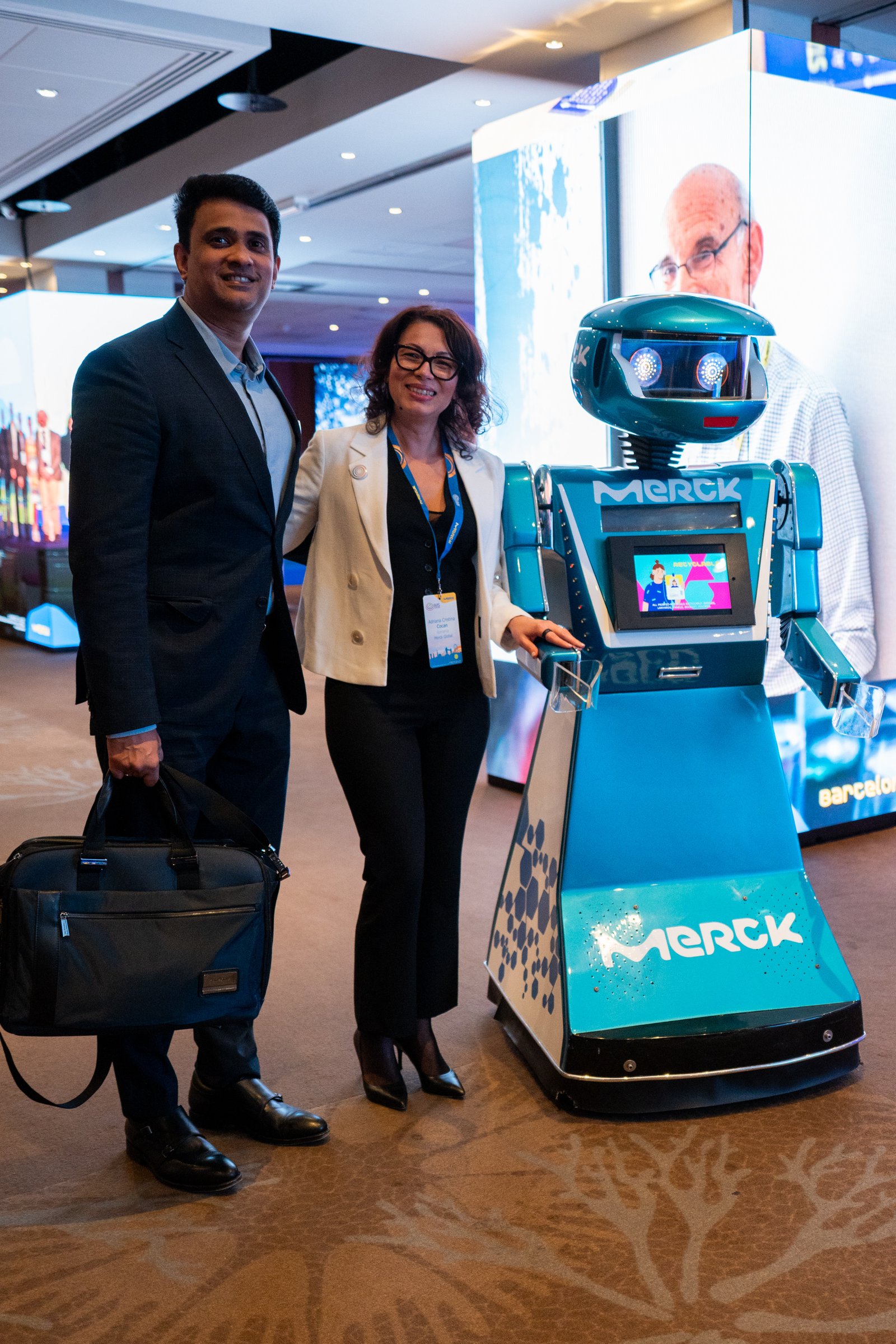
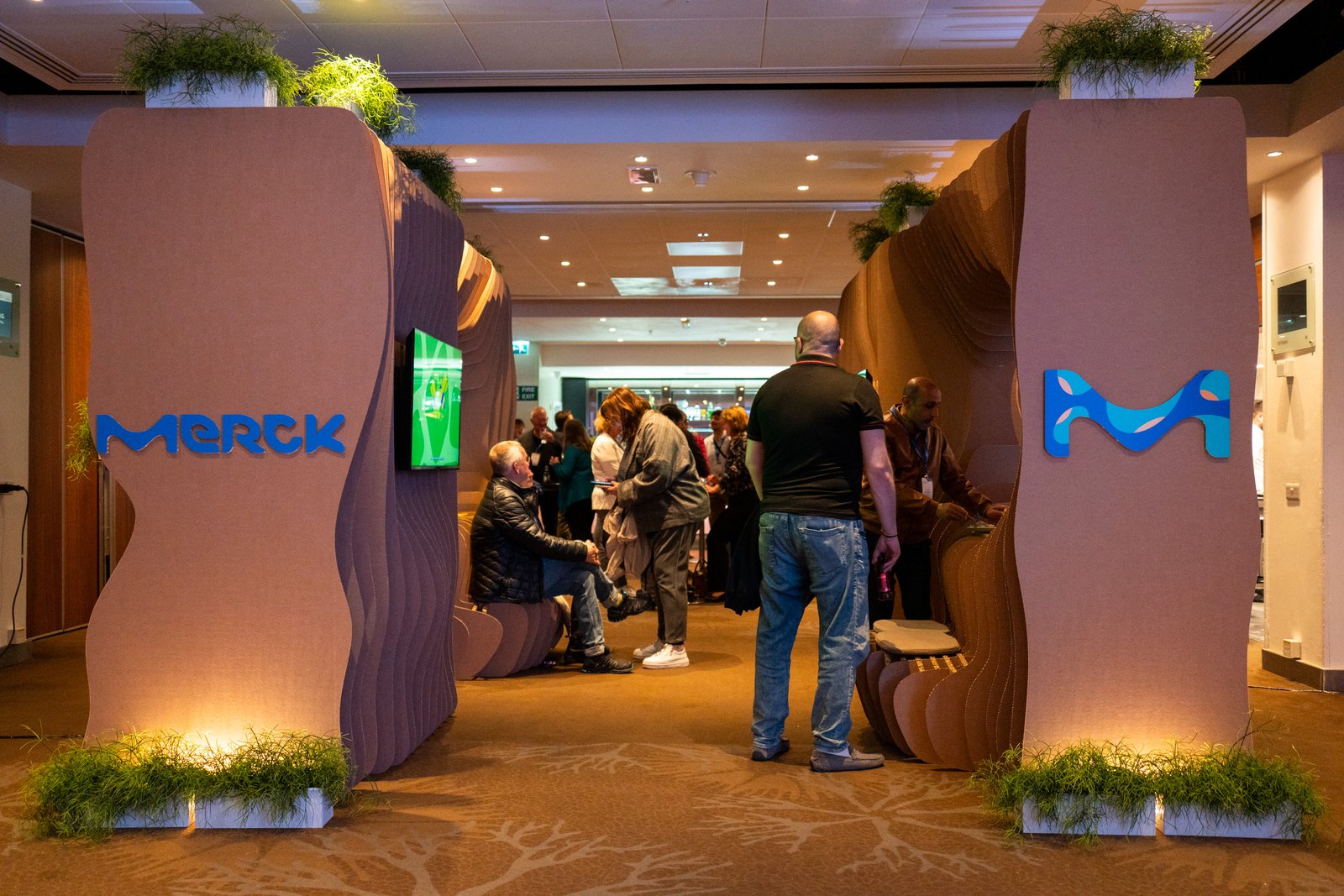
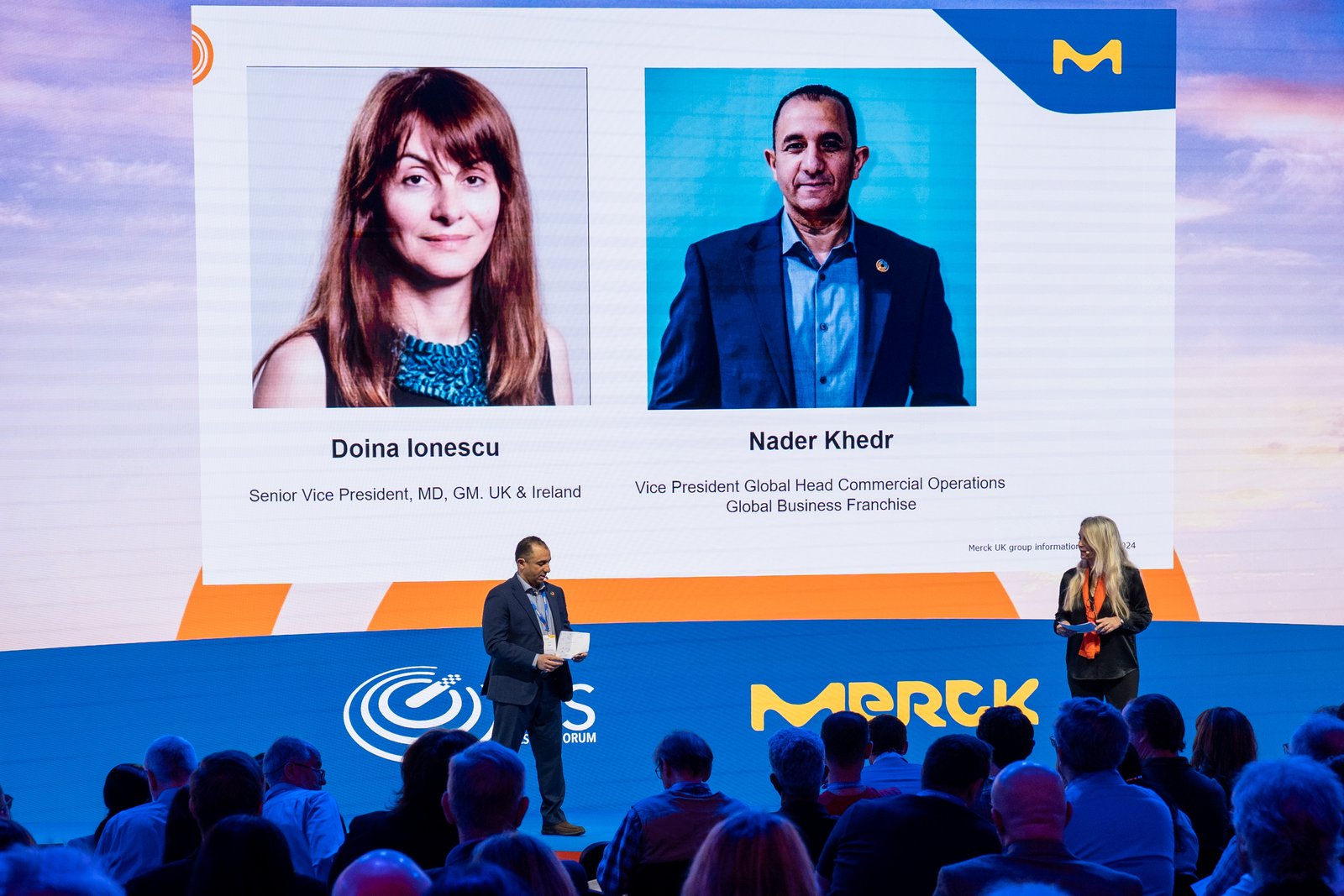
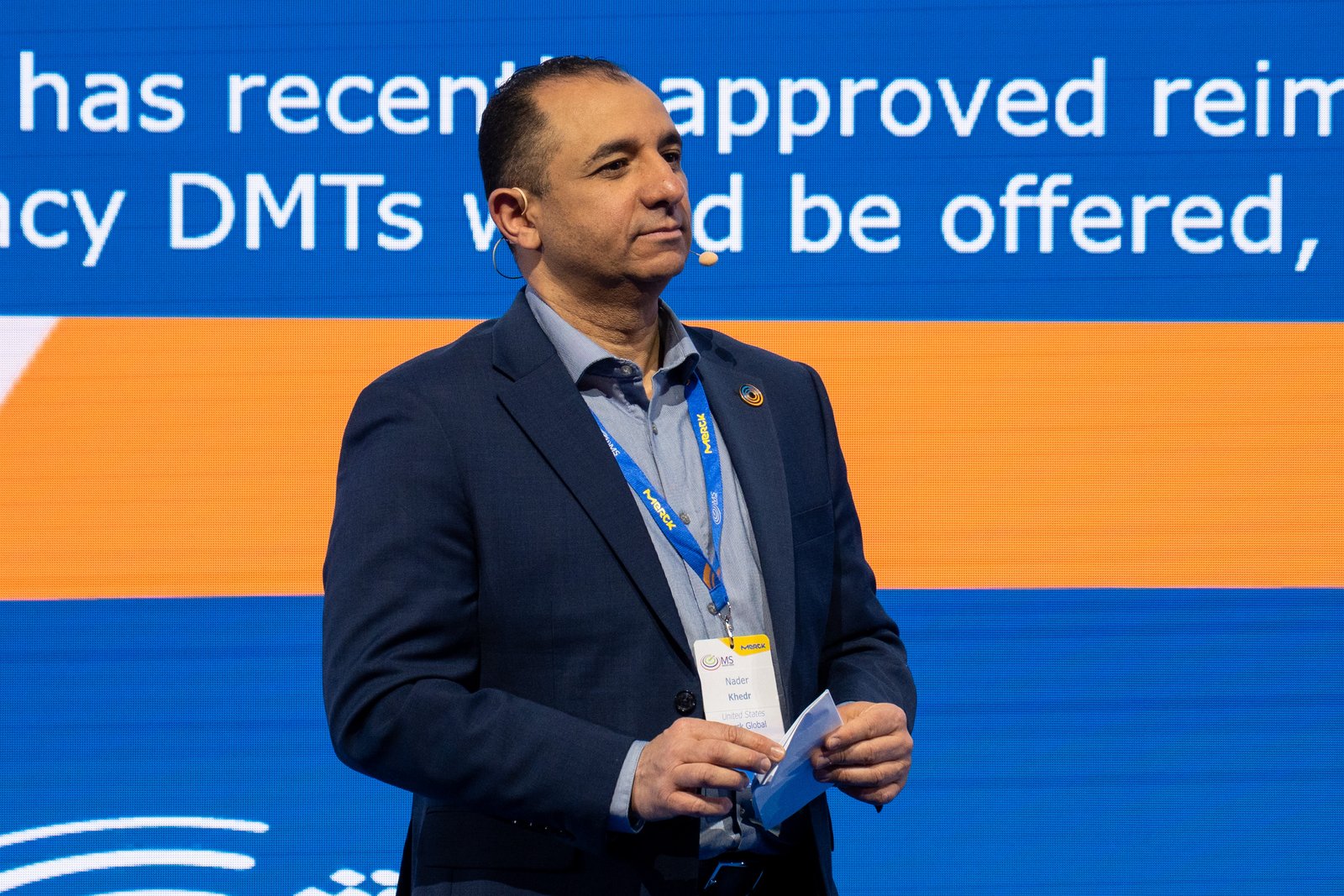
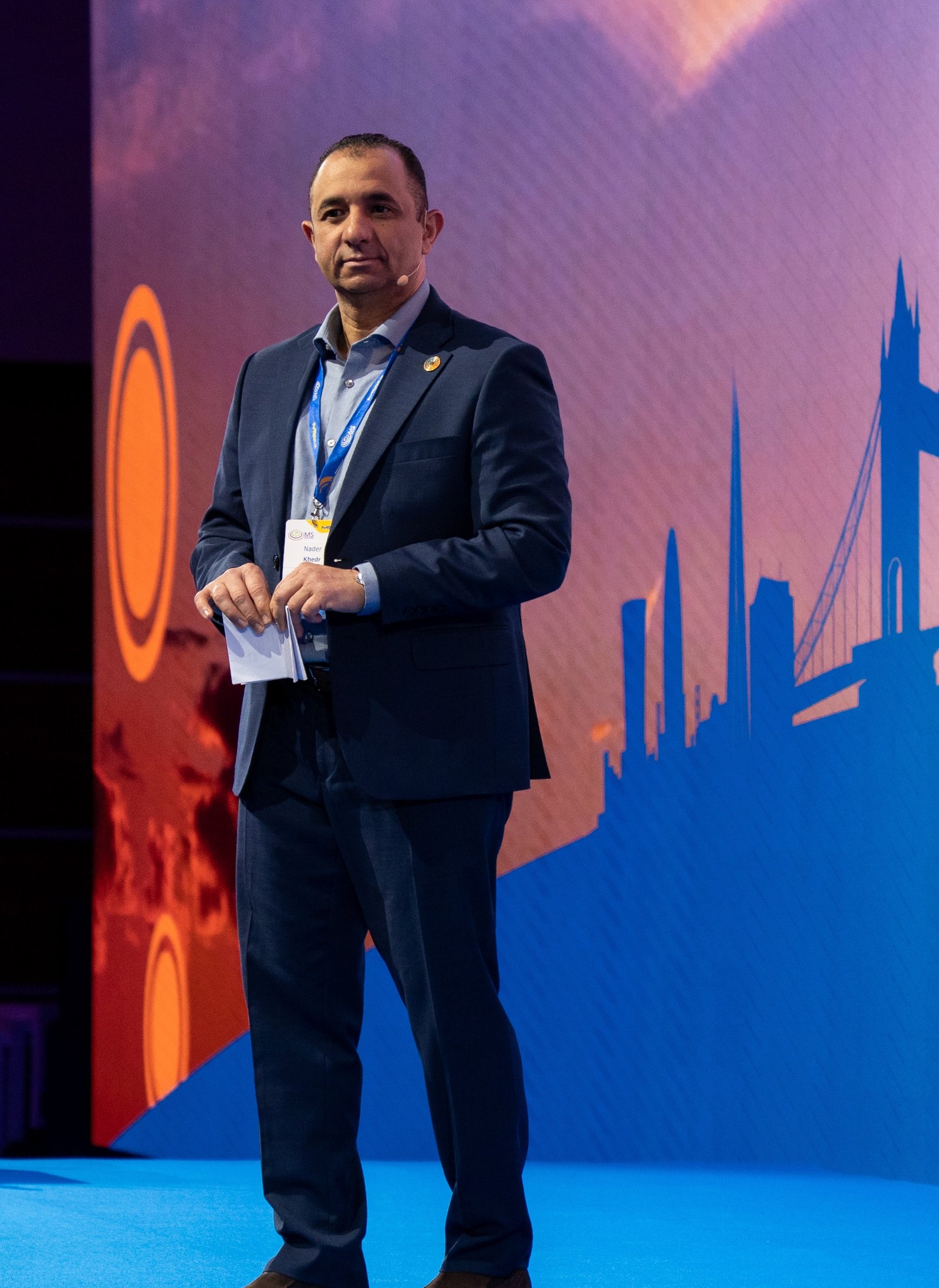
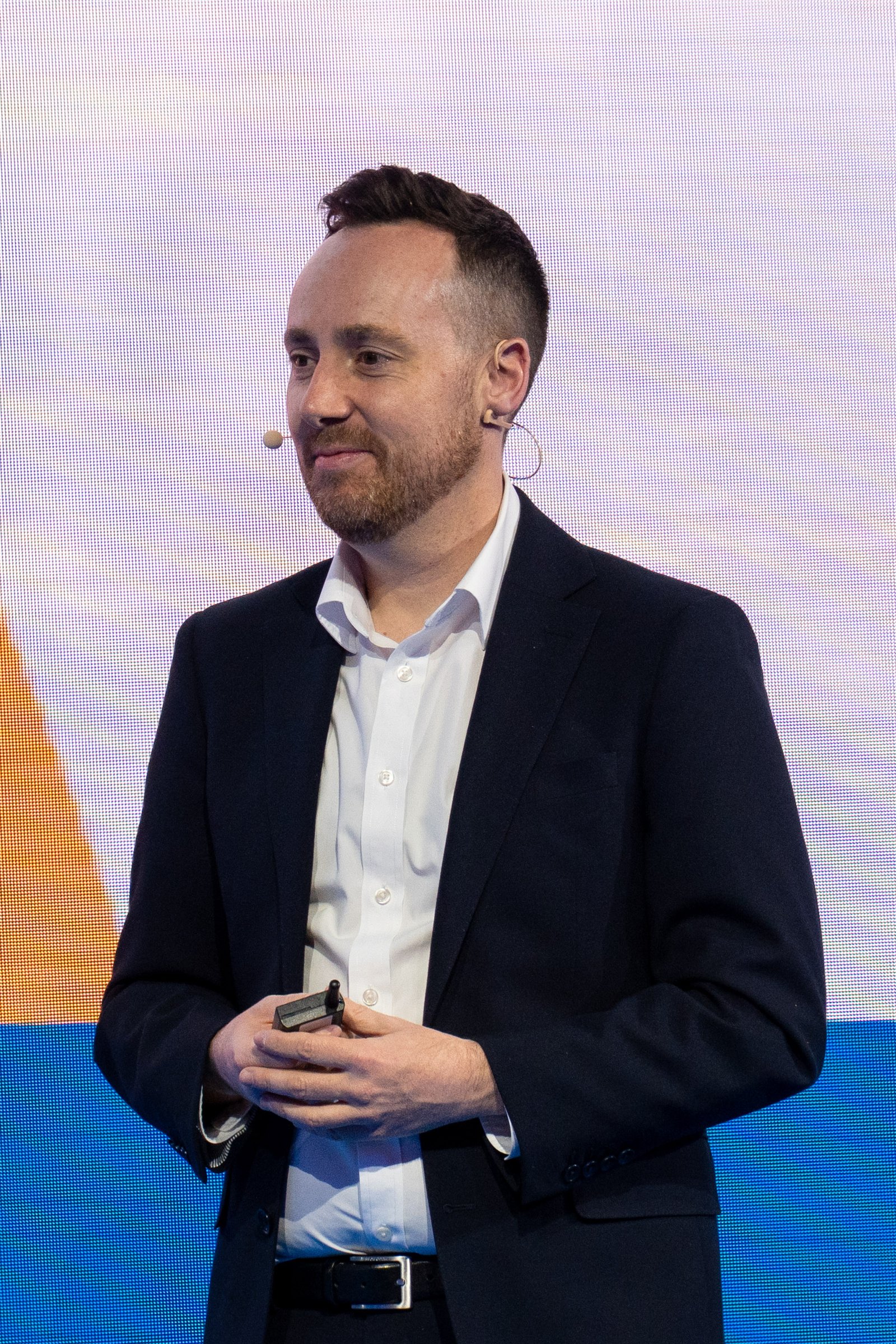
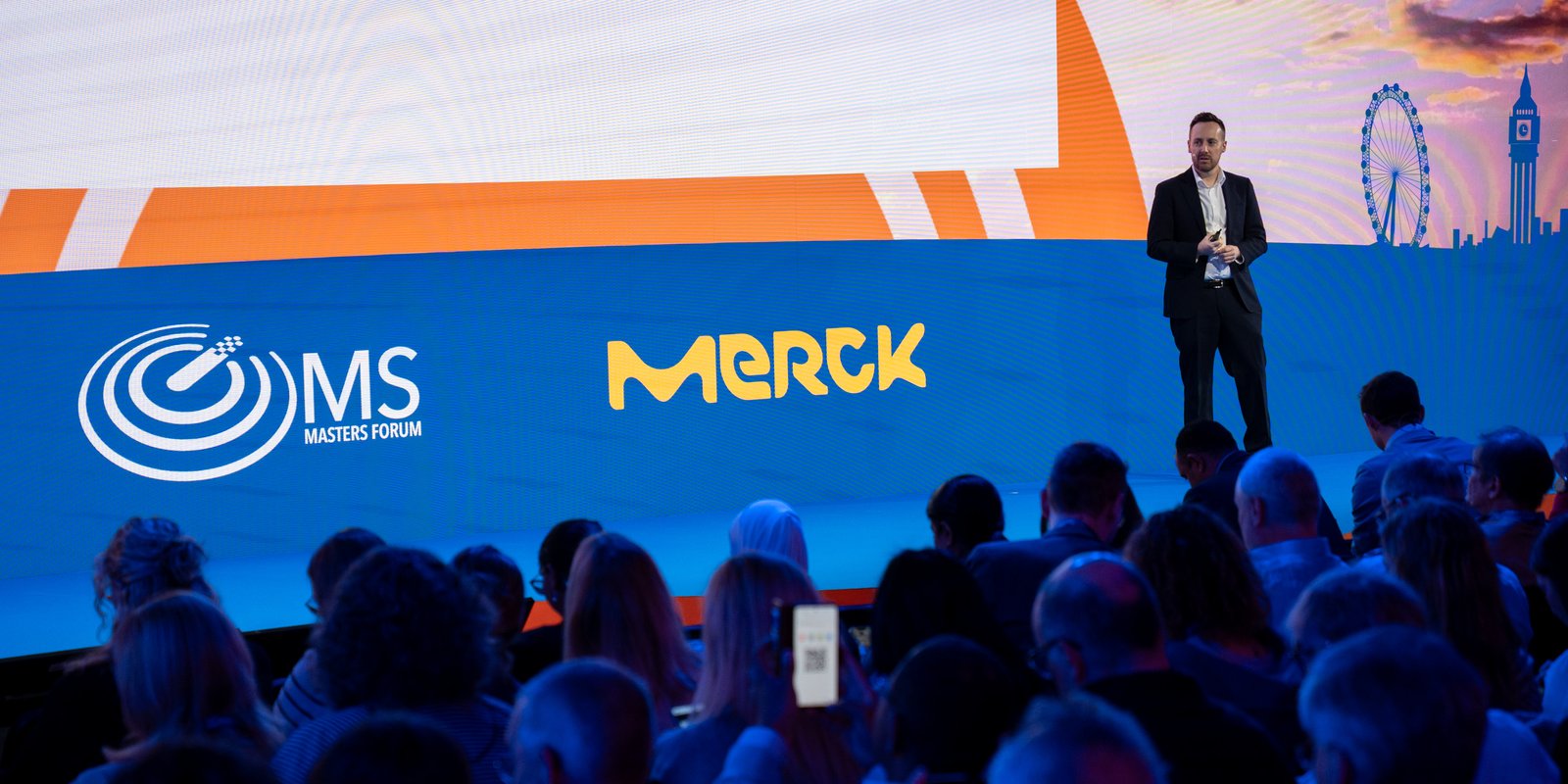
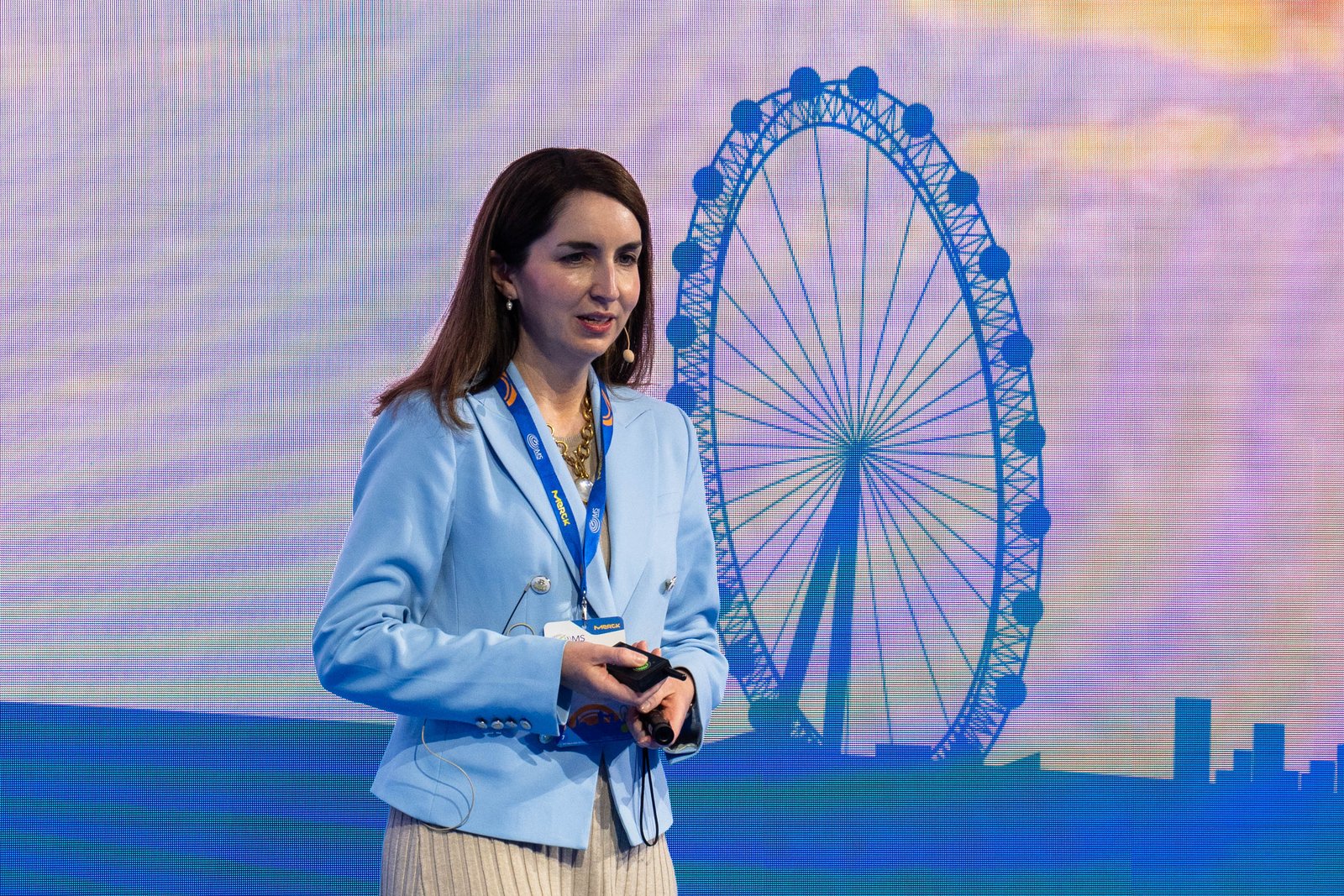
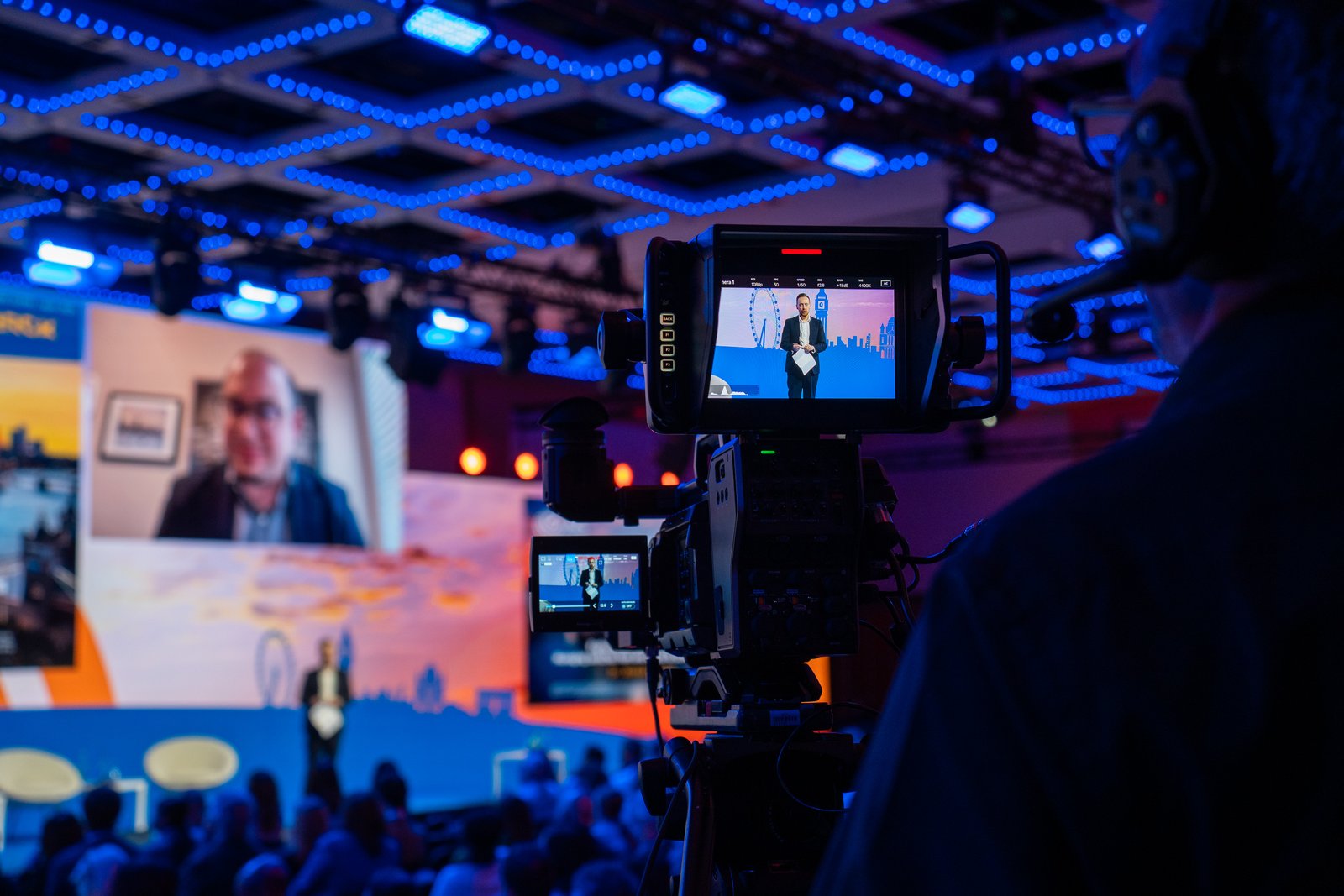
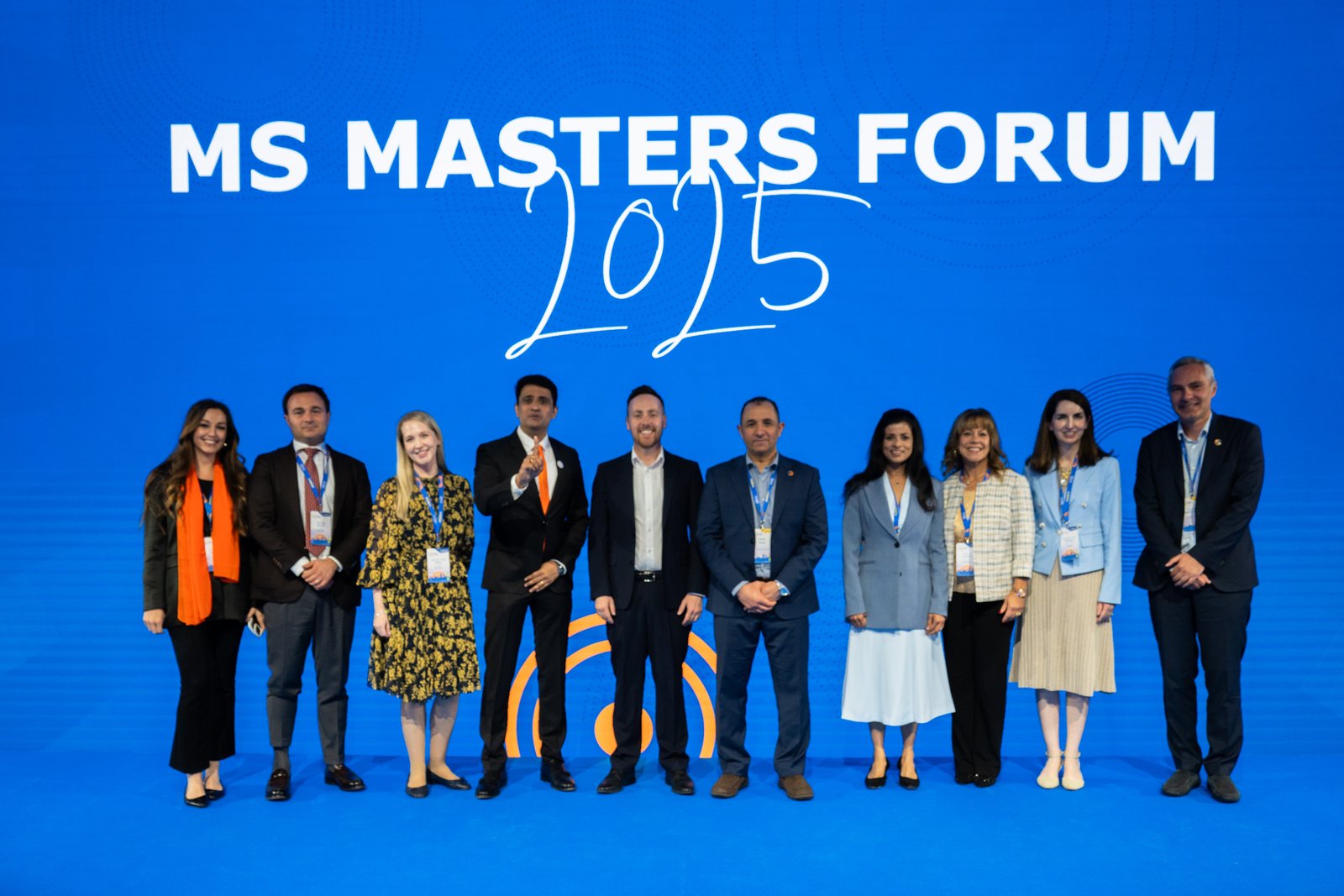
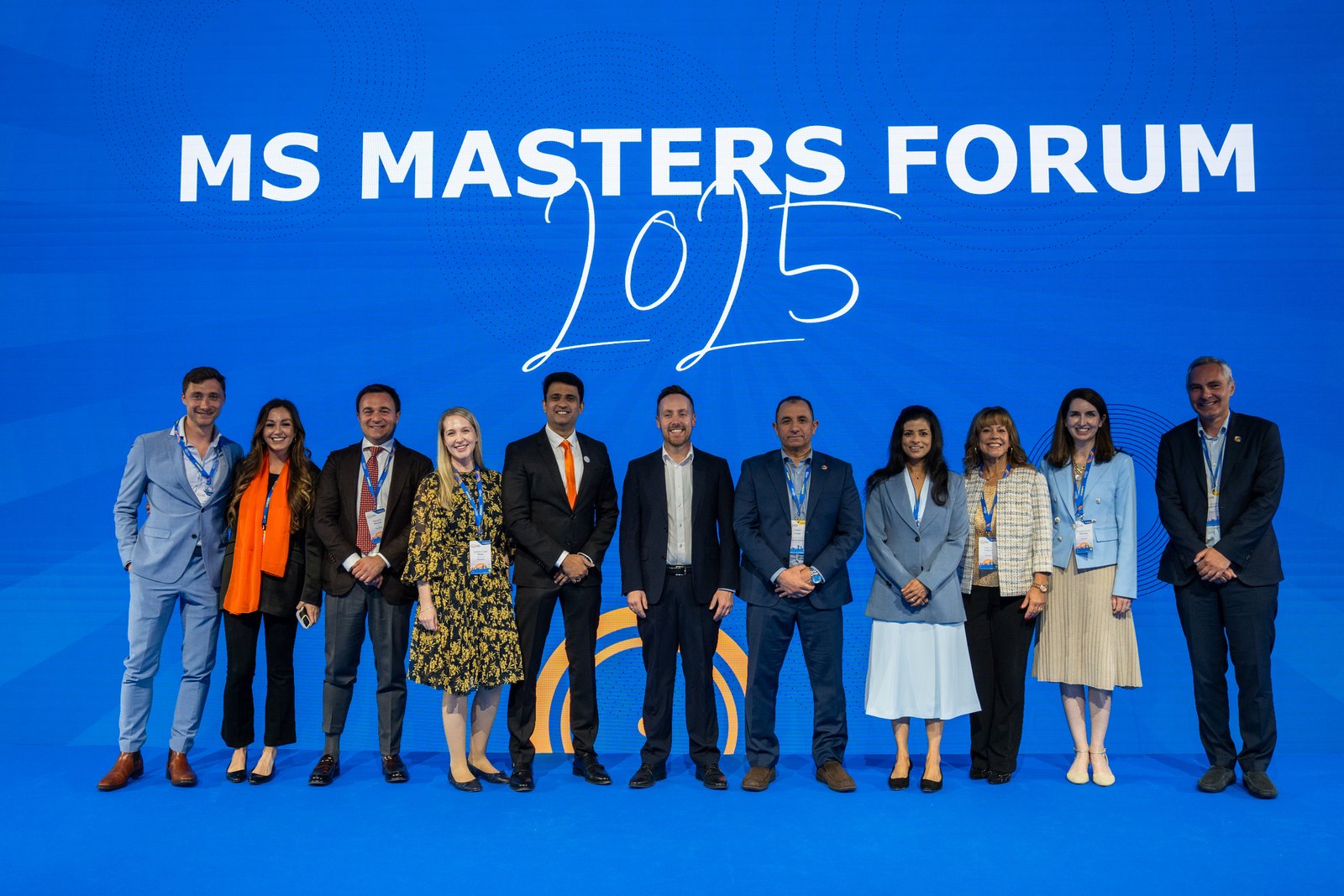
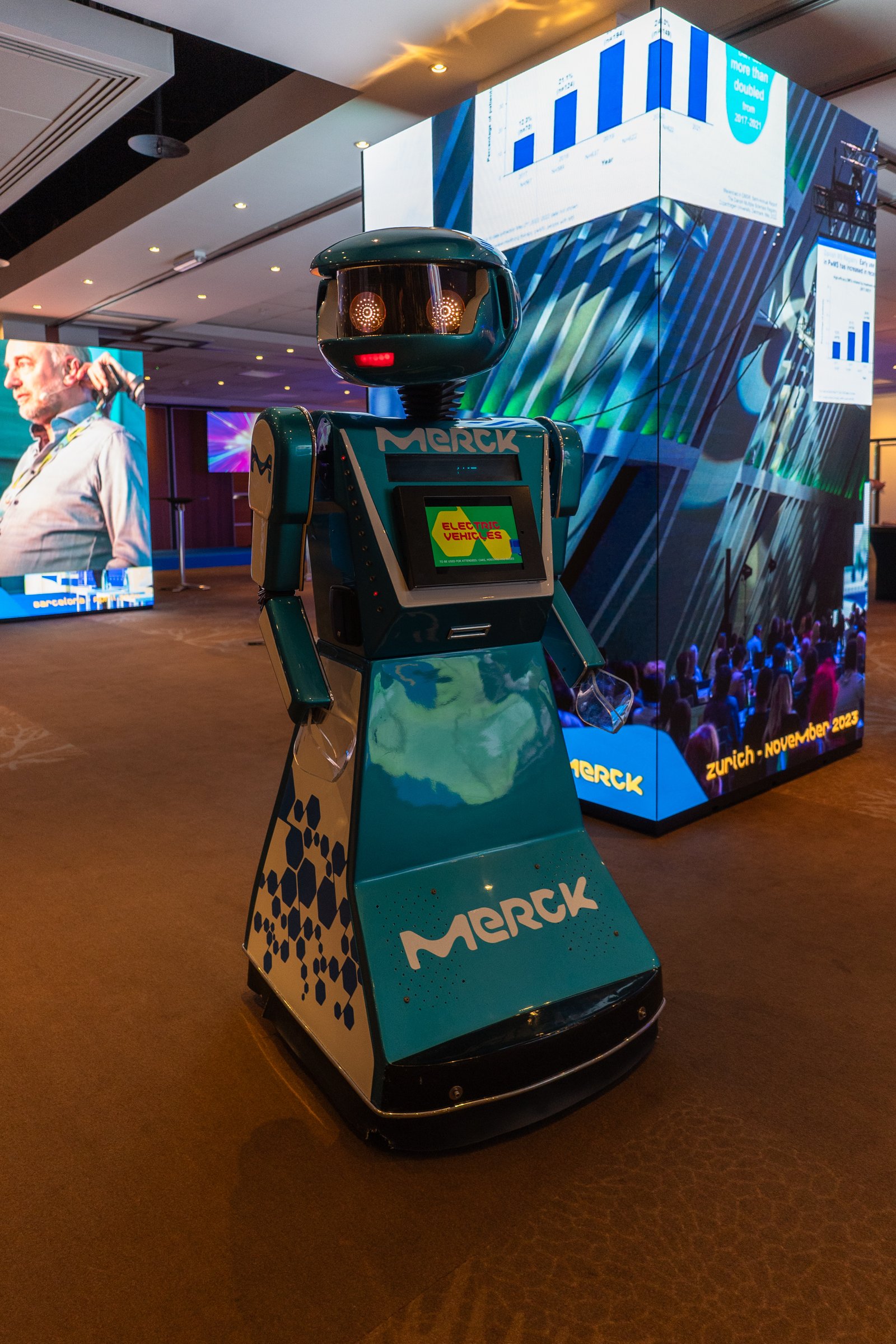
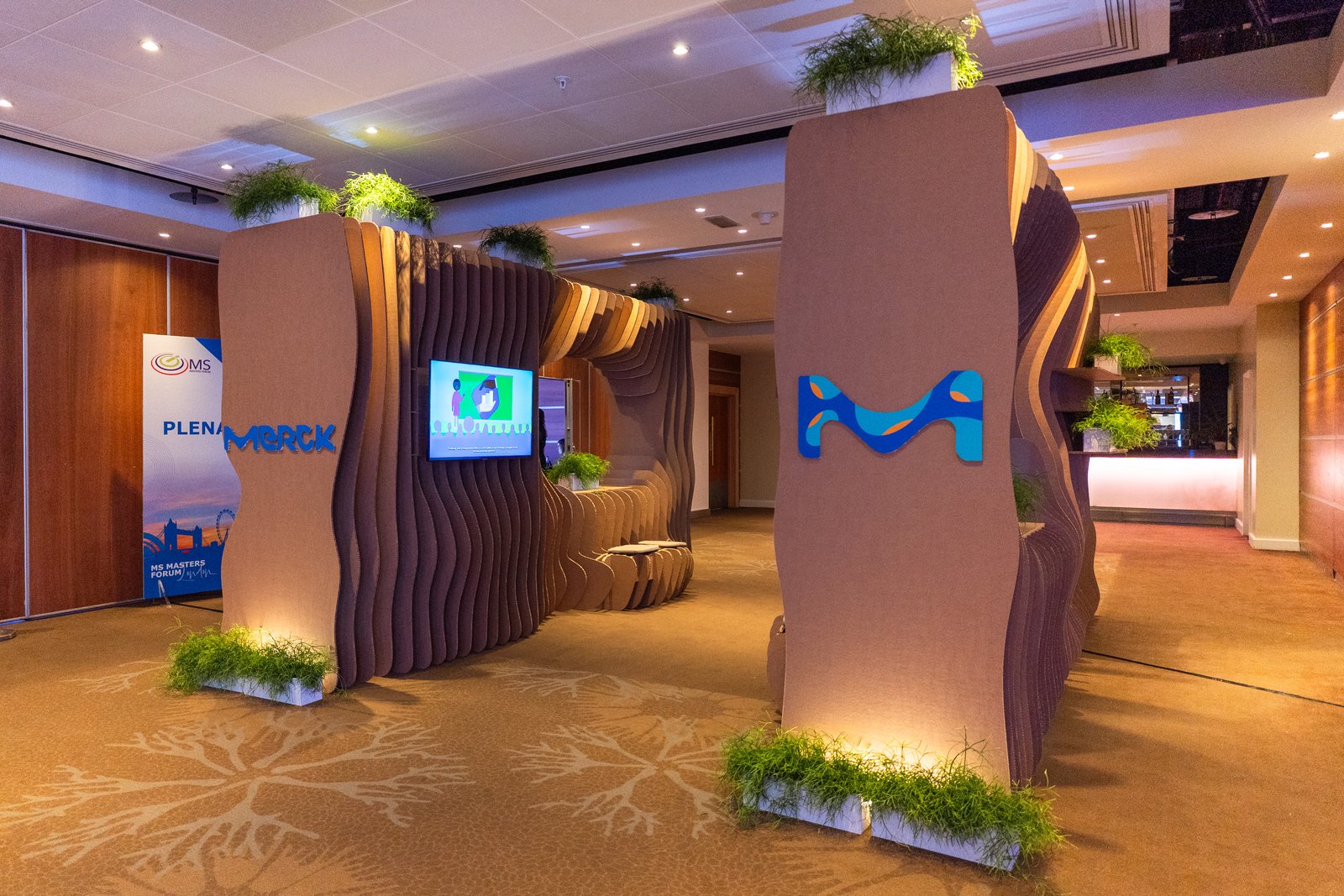
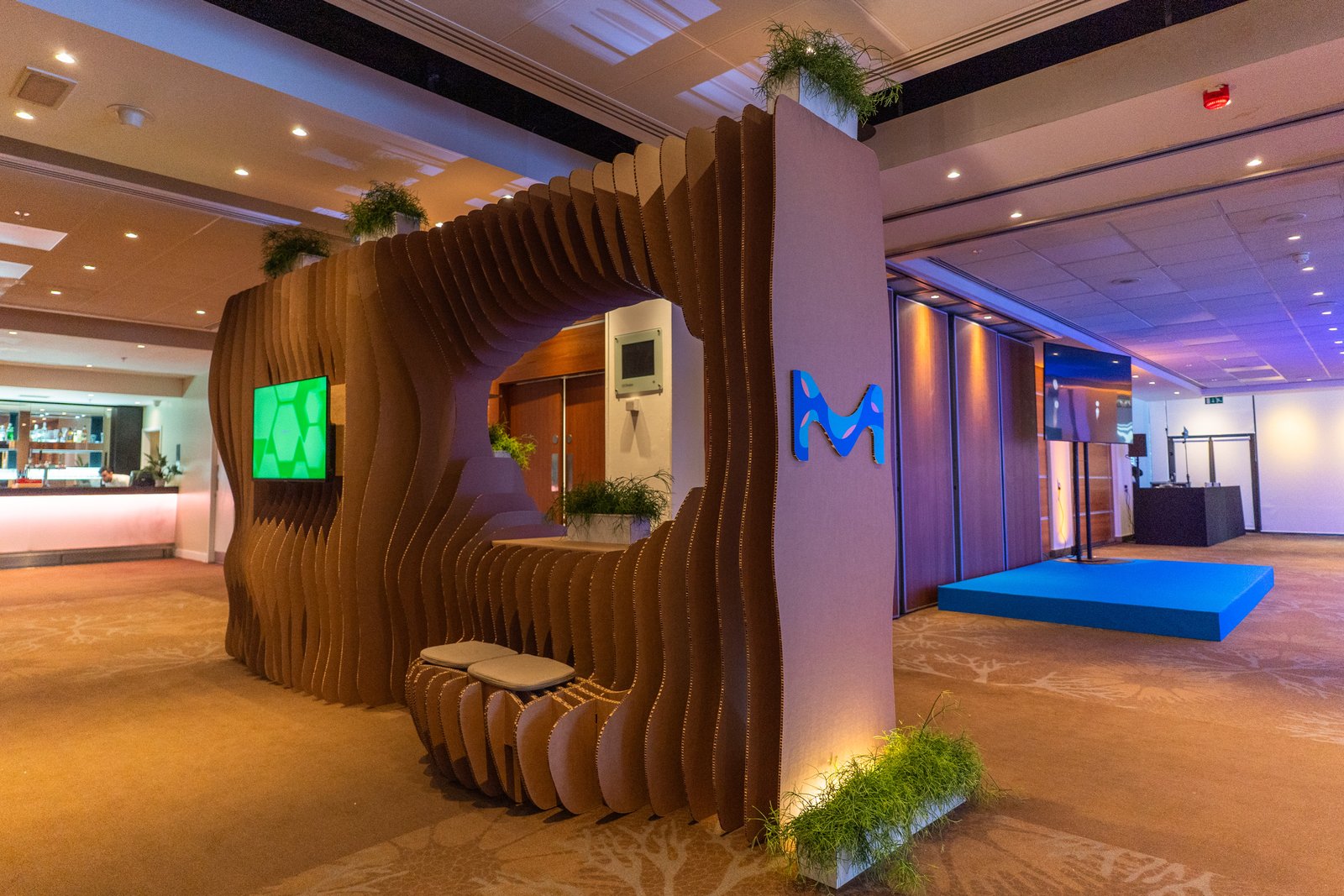
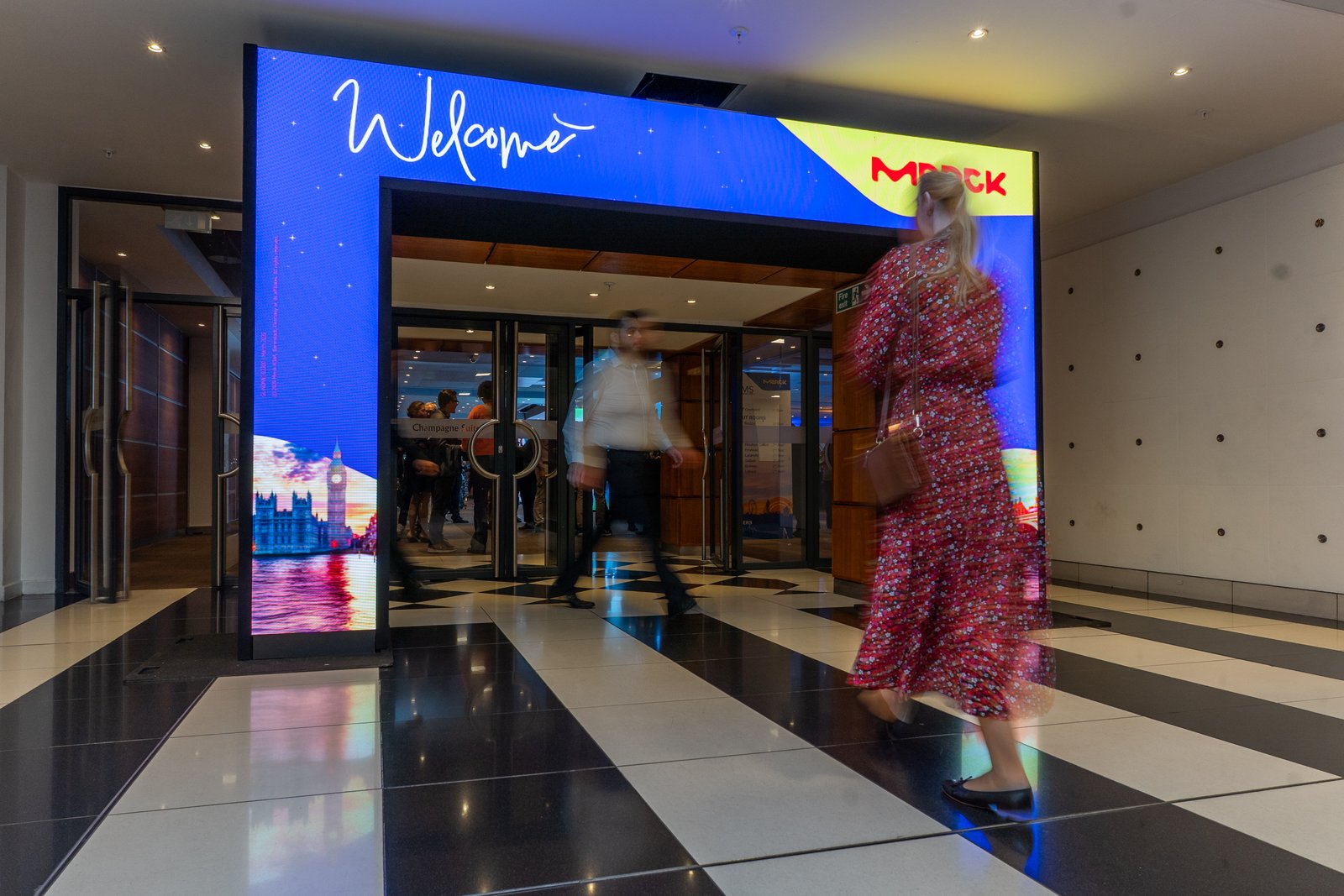
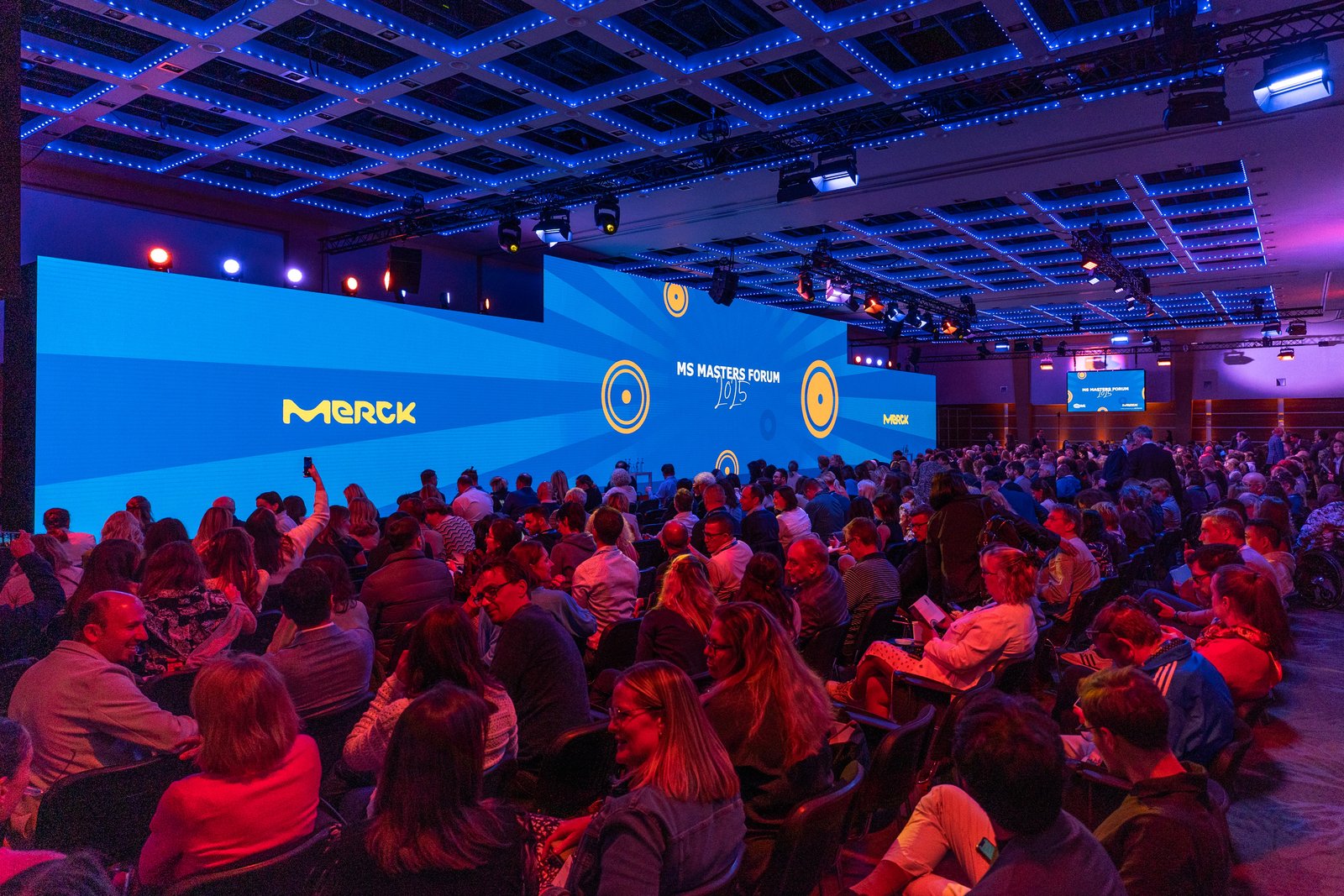
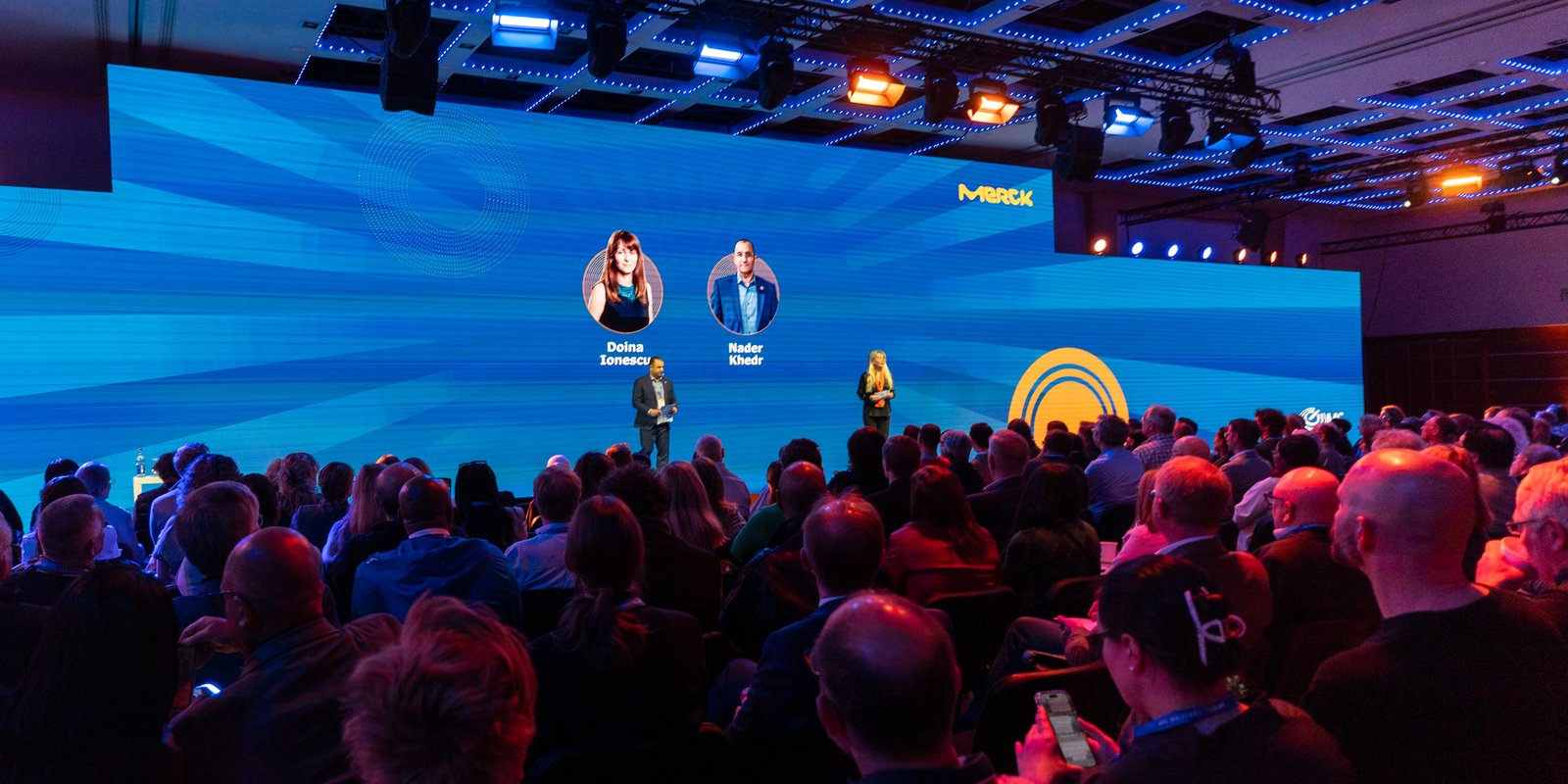
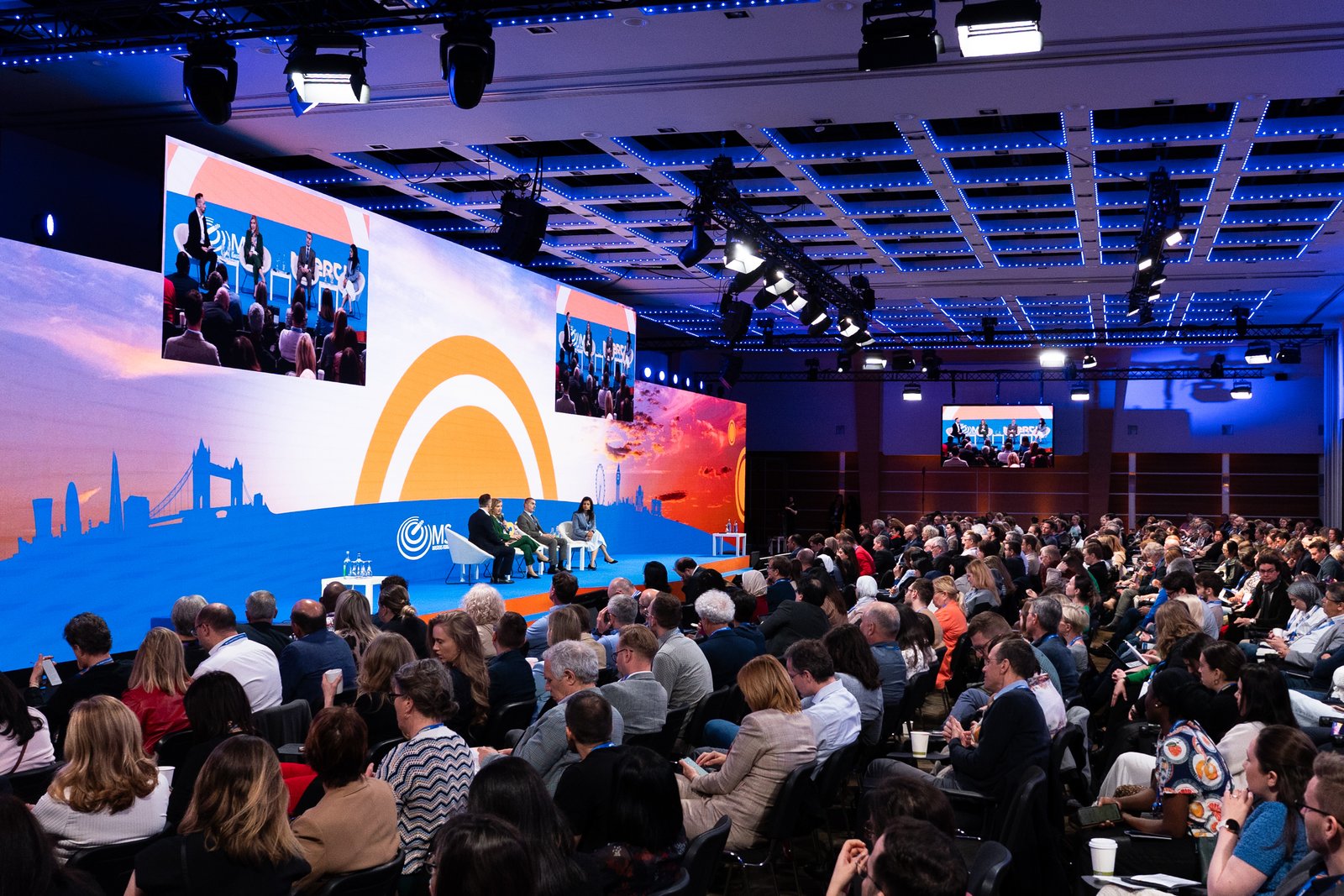
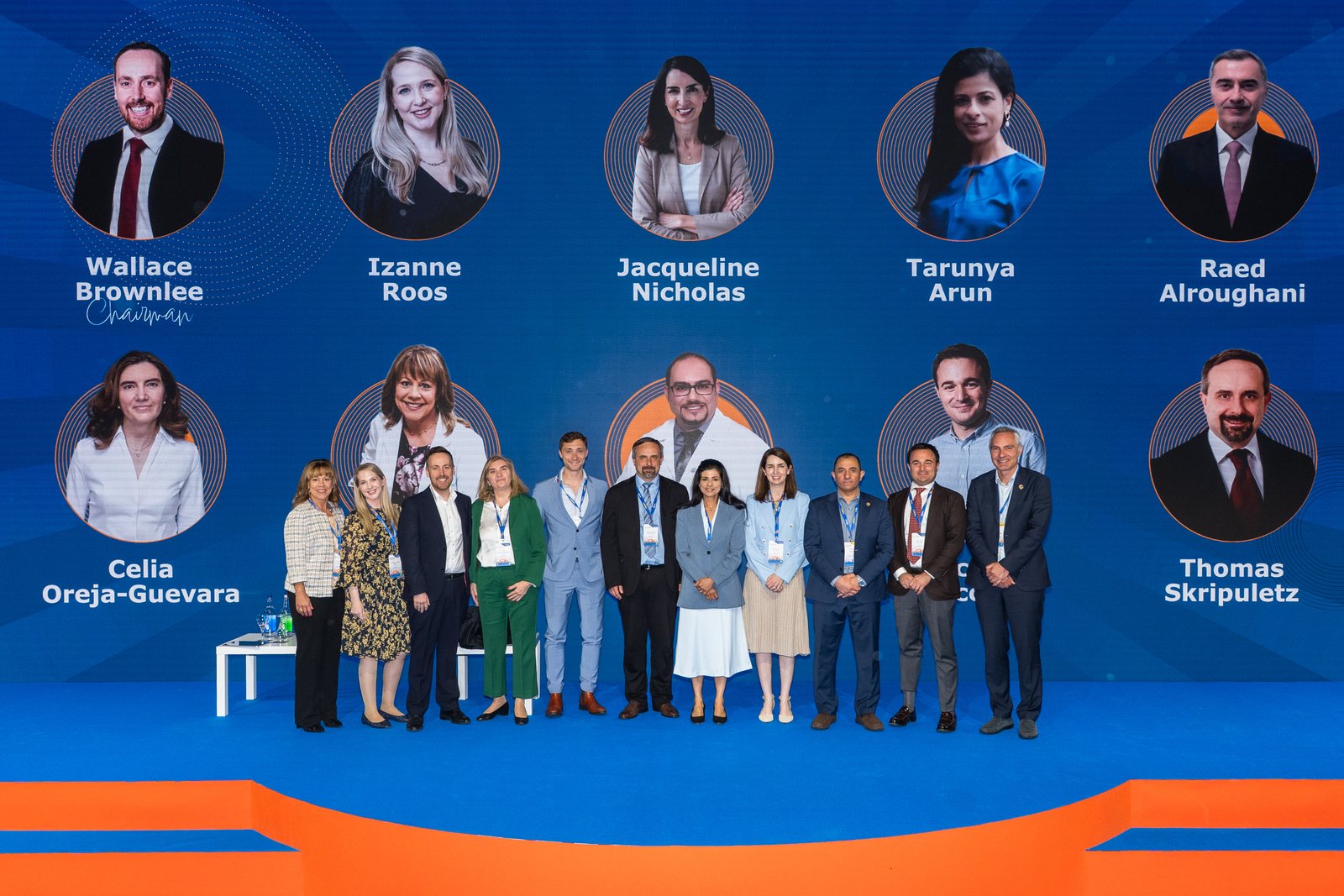
We hope you enjoyed your time at MSMF London! Below are a selection of highlights, photos, and summaries from the event.
This group explored the journey of a 34-year-old male who progressed from a diagnosis of radiologically isolated syndrome in 2023 to highly active relapsing MS in 2024. The group tackled the critical questions around initiating treatment in a treatment-naïve patient, weighing the key considerations and debating potential therapeutic approaches.
This group explored the case of a 38-year-old female diagnosed with relapsing MS in 2015. After receiving dimethyl fumarate for 4 years followed by ocrelizumab due to a brainstem relapse, the patient experienced recurrent sinusitis. The group tackled the critical questions around potential management options, including alternative treatments and considerations around switching.
This group explored the case of a 58-year-old male diagnosed with relapsing MS in 2012. The patient received interferon for 4 years followed by fingolimod for 5 years, before experiencing a spinal cord relapse with new T2 lesions in 2022. The group tackled the critical questions around potential management options for an older adult patient with highly active relapsing MS, including alternative treatments and considerations around switching.










.png)


This promotional event has been initiated, organised and funded by Merck. © 2025 Merck KGaA, Darmstadt, Germany and/or its affiliates. All rights reserved. GL-MAV-01592 | June 2025